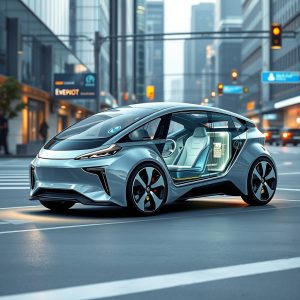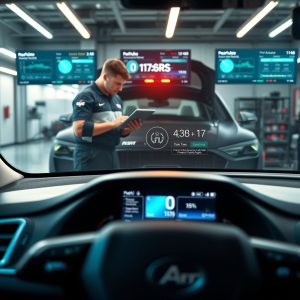
The Fluid Future: How Hydrogen Fuel Cells and Bidirectional Charging Are Crafting a Dynamic Energy Ecosystem
The automotive industry is undergoing a seismic shift, not just in how vehicles are powered, but in how they interact with the world around them. At the heart of this transformation lies a dual revolution: the rise of hydrogen fuel cells as a zero-emission powerhouse and the emergence of bidirectional charging as a cornerstone of energy flexibility. Together, these technologies are redefining the relationship between vehicles, energy grids, and even urban infrastructure, creating a dynamic ecosystem where mobility and power converge in ways previously unimaginable.
The Hydrogen Horizon: Powering Beyond the Battery
Hydrogen fuel cells have long been touted as the holy grail of clean energy, and for good reason. Unlike traditional lithium-ion batteries, which store energy, fuel cells generate electricity through a chemical reaction between hydrogen and oxygen, emitting only water vapor as a byproduct. This makes them an ideal solution for long-haul transportation, heavy-duty vehicles, and even aviation, where weight and refueling time are critical factors. But the potential of hydrogen extends far beyond its zero-emission credentials.
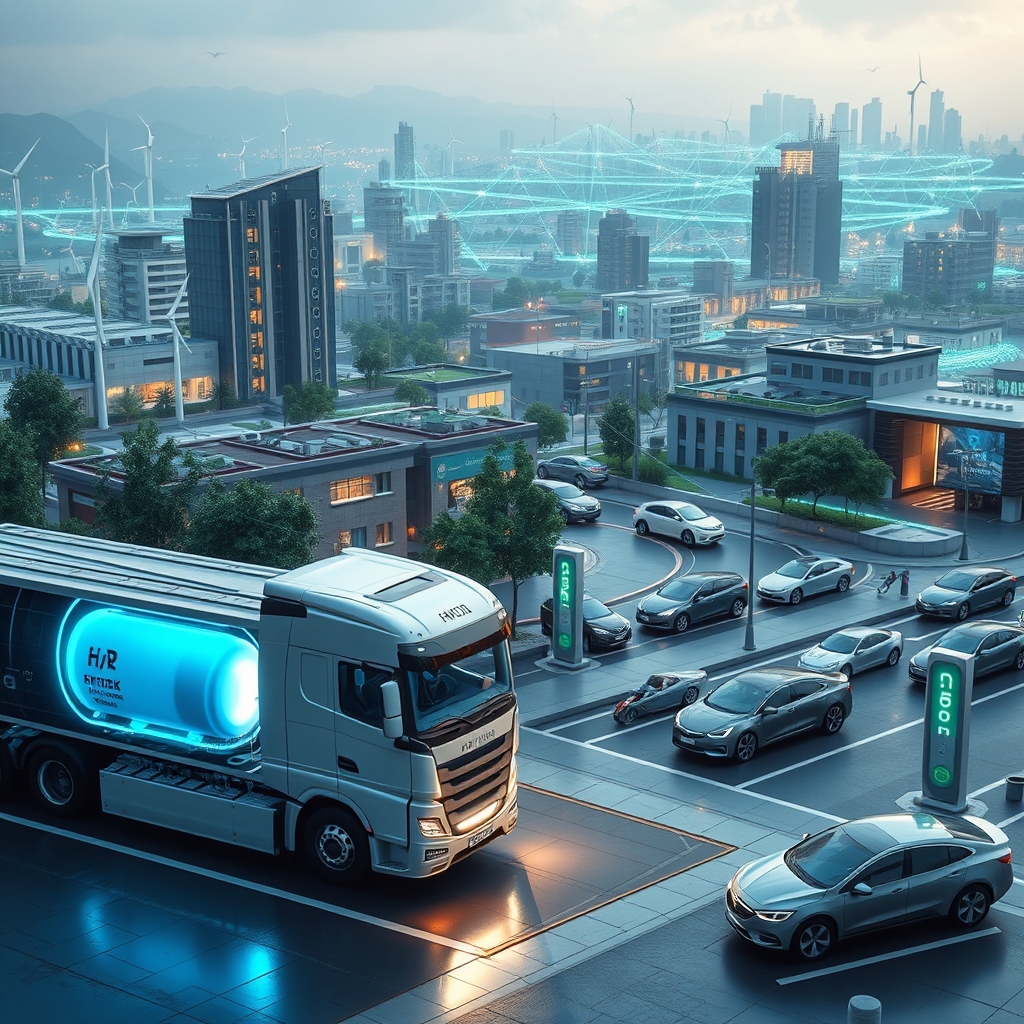
Recent advancements in liquid hydrogen storage have addressed one of the biggest challenges facing the technology: energy density. By cooling hydrogen to -253°C, it can be stored in a compact, lightweight form, significantly increasing the range of hydrogen-powered vehicles. This breakthrough is particularly promising for commercial fleets, where downtime for charging can translate into lost revenue. Companies like Nikola and Hyundai are already deploying hydrogen-powered trucks, proving that the technology is not just viable but scalable.
Yet, the true promise of hydrogen lies in its ability to integrate with other renewable energy sources. Excess energy from wind or solar farms can be used to produce green hydrogen through electrolysis, creating a closed-loop system where clean energy is stored, transported, and utilized without the inefficiencies of traditional battery storage. This synergy could be the key to unlocking a fully sustainable energy ecosystem, where vehicles are not just consumers of power but active participants in its distribution.
Bidirectional Charging: Turning Vehicles into Power Plants
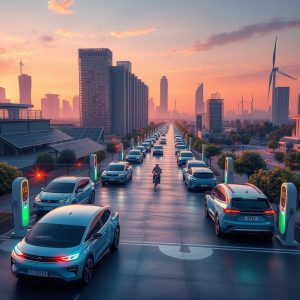
While hydrogen fuel cells are redefining how vehicles generate power, bidirectional charging is transforming how they use it. This technology allows electric vehicles (EVs) to not only draw energy from the grid but also feed it back, effectively turning them into mobile energy storage units. Imagine a fleet of parked EVs acting as a virtual power plant, stabilizing the grid during peak demand or providing backup power during outages. This is not a distant fantasy but a reality being tested in pilot projects around the world.
Vehicle-to-Everything (V2X) technology takes bidirectional charging a step further by enabling EVs to communicate and share energy with homes, buildings, and even other vehicles. For example, a car parked in a smart garage could power a home during a blackout or sell excess energy back to the grid when prices are high. This level of integration blurs the line between transportation and energy infrastructure, creating a more resilient and efficient system.
The implications of bidirectional charging extend beyond individual convenience. In regions prone to natural disasters, EVs equipped with V2X could serve as emergency power sources, keeping critical infrastructure running when traditional grids fail. Cities could also leverage this technology to reduce strain on their energy networks, using parked EVs to balance supply and demand in real time. The result is a more flexible, decentralized energy system where every vehicle becomes a node in a larger, smarter grid.
The Synergy of Hydrogen and Bidirectional Charging
Individually, hydrogen fuel cells and bidirectional charging are transformative, but their true potential lies in their convergence. Hydrogen-powered vehicles equipped with bidirectional capabilities could serve as mobile energy hubs, storing and distributing clean power wherever it’s needed. For instance, a hydrogen truck parked at a distribution center could power the facility during off-peak hours, reducing reliance on the grid and lowering operational costs. Similarly, a fleet of hydrogen buses could feed energy back into the grid during their downtime, creating a self-sustaining ecosystem.
This synergy also addresses one of the biggest challenges facing renewable energy: intermittency. Solar and wind power are dependent on weather conditions, leading to fluctuations in supply. By integrating hydrogen storage and bidirectional charging, excess energy can be stored as hydrogen or in EV batteries, then released when demand spikes. This creates a more stable and reliable energy network, accelerating the transition to a carbon-neutral future.
Challenges and the Road Ahead
Despite their promise, hydrogen fuel cells and bidirectional charging face significant hurdles. For hydrogen, the lack of refueling infrastructure remains a major barrier to widespread adoption. Building a network of hydrogen stations requires substantial investment, and without it, consumer confidence in the technology will remain low. Additionally, the production of green hydrogen is still expensive, though costs are expected to decline as electrolysis technology improves and renewable energy becomes more abundant.
Bidirectional charging, on the other hand, is constrained by regulatory and technical challenges. Not all EVs are equipped with the hardware necessary for two-way energy flow, and grid operators must adapt to accommodate the influx of decentralized energy sources. Standardization is also a concern, as different manufacturers use varying protocols for V2X communication, creating compatibility issues. However, as governments and industries collaborate to establish common standards, these obstacles are likely to diminish.
Designing the Energy Ecosystem of Tomorrow
The fusion of hydrogen fuel cells and bidirectional charging is not just about creating cleaner, more efficient vehicles—it’s about reimagining the entire energy landscape. In this new paradigm, vehicles are no longer passive consumers of power but active contributors to a smarter, more sustainable grid. Cities could reduce their carbon footprint by integrating hydrogen-powered public transport with bidirectional energy networks, while businesses could cut costs by leveraging their fleets as distributed energy resources.
Moreover, this shift has the potential to democratize energy access. In remote or underserved communities, hydrogen-powered microgrids combined with bidirectional charging could provide reliable, off-grid power, reducing dependence on fossil fuels. The technology also opens the door to new business models, such as peer-to-peer energy trading, where EV owners can buy and sell power directly with one another, bypassing traditional utilities.
As the automotive industry continues to evolve, the lines between transportation, energy, and infrastructure will blur even further. The vehicles of the future will not just move people and goods—they will power homes, stabilize grids, and drive the transition to a sustainable energy ecosystem. The road ahead is not just about reaching a destination but about redefining what it means to be on the move, where every journey is an opportunity to create, share, and sustain energy in ways that benefit us all. The fluid future of mobility is not just coming; it’s already here, waiting to be harnessed.