Beyond the Drivetrain: Redefining Mobility Through Integrated Innovation
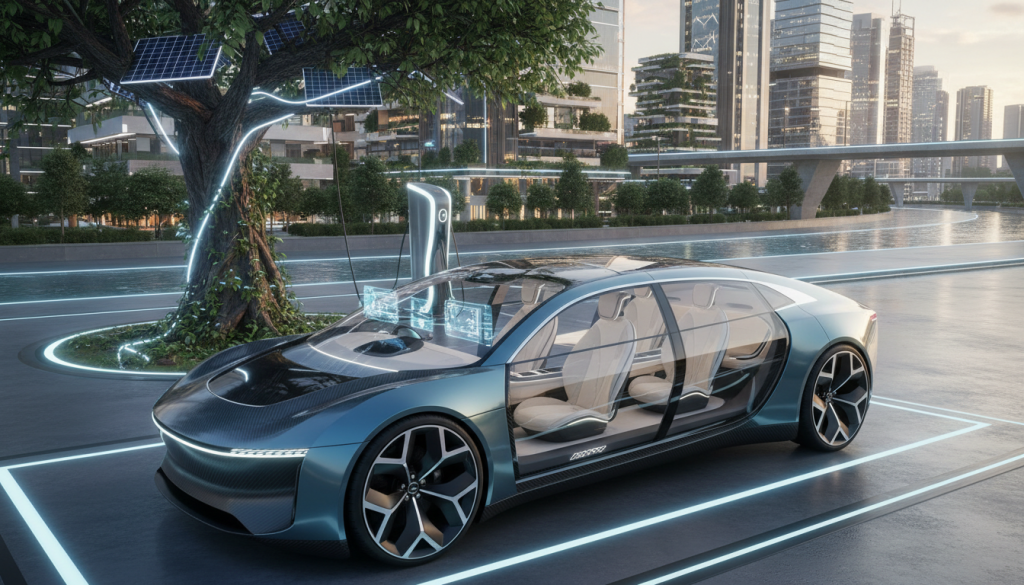
The automotive industry stands at the precipice of its most profound transformation yet. While electrification has rightfully captured headlines, the evolution of the vehicle extends far beyond its power source. We are witnessing a holistic reimagining of mobility, driven by a convergence of advanced materials, intelligent systems, and a commitment to sustainability that permeates every aspect of design and operation. This isn’t merely about building better cars; it’s about crafting a new relationship between humanity and transportation, one that is more efficient, personalized, and environmentally conscious.
Crafting the Future: Materials and Design at the Forefront
The very fabric of our future vehicles is undergoing a radical change. Engineers and designers are working hand-in-hand to redefine what a car is made of and how its form interacts with the world.
The Circularity Revolution
At the heart of sustainable mobility lies the concept of a Circular Material Economy. This paradigm shift moves away from the linear ‘take-make-dispose’ model towards one where resources are kept in use for as long as possible. For vehicles, this means designing for durability, repairability, and ultimately, recyclability from the outset. Manufacturers are increasingly exploring sustainable sourcing for raw materials, minimizing waste in production, and implementing sophisticated recycling programs for end-of-life vehicles. This not only reduces environmental impact but also fosters resilience in supply chains, lessening dependence on finite resources and promoting a closed-loop system where today’s waste becomes tomorrow’s resource.
Engineering for Efficiency
Complementing material innovation is the relentless pursuit of efficiency through design. The adoption of a Carbon Fiber Chassis, for instance, significantly reduces vehicle weight without compromising structural integrity or safety. This lightweighting directly translates into improved energy efficiency, whether it’s extending the range of an electric vehicle or reducing fuel consumption in traditional powertrains. Hand-in-hand with material advancements, Aerodynamic Efficiency plays a crucial role. Every curve, every line, and every surface is meticulously sculpted to minimize drag, allowing vehicles to slice through the air with less resistance. This holistic approach to design, from the molecular structure of materials to the overall body shape, is paramount in squeezing maximum performance and range out of every watt or drop of fuel.
Intelligence Inside and Out: Enhancing the User and the Ecosystem
Beyond their physical construction, future vehicles are becoming highly intelligent, responsive entities, both within their cabins and as integrated components of a larger mobility ecosystem.
The Intuitive Cockpit
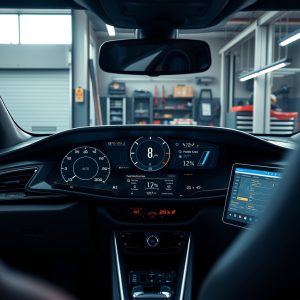
The interior of a modern vehicle is evolving into a personalized, intuitive sanctuary. In-Cabin Intelligence leverages AI and sensor technology to understand occupant preferences, anticipate needs, and adapt the environment accordingly. This can range from personalized climate control and infotainment to advanced safety features that monitor driver alertness. The choice of materials within this space is equally important; Bio Synthetic Leather offers a sustainable, ethical, and high-performance alternative to traditional animal leather, aligning with the broader circular economy principles. Furthermore, innovations like a Smart Glass Roof can dynamically adjust transparency and tint, providing privacy on demand, regulating cabin temperature, and even displaying augmented reality information, all while reducing the need for traditional sunshades and contributing to overall energy management.
Proactive Care and Connectivity
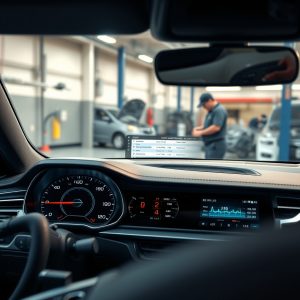
The intelligence extends beyond the immediate user experience to the operational longevity and systemic integration of the vehicle. Predictive Maintenance AI continuously monitors vehicle components, learning usage patterns and identifying potential issues before they escalate into costly failures. This proactive approach not only enhances safety and reliability but also extends the lifespan of the vehicle and reduces downtime, contributing to greater overall efficiency. Furthermore, the advent of Vehicle To Everything (V2X) communication transforms individual vehicles into networked nodes, allowing them to communicate with other vehicles (V2V), infrastructure (V2I), pedestrians (V2P), and the grid (V2G). This interconnectedness unlocks possibilities for optimizing traffic flow, enhancing road safety, and enabling sophisticated energy management, where vehicles can intelligently interact with the power grid to balance supply and demand.
The Foundation for Tomorrow: Adaptability and Power
Underpinning these innovations are foundational shifts in how vehicles are designed, manufactured, and powered, paving the way for unprecedented flexibility and performance.
Versatile Foundations
The adoption of Modular EV Platforms represents a fundamental change in vehicle architecture. These scalable, flexible platforms allow manufacturers to develop a wide range of vehicle types – from compact urban cars to larger SUVs and commercial vehicles – using a common underlying structure. This modularity dramatically shortens development cycles, reduces manufacturing costs, and enables rapid iteration and customization. It also future-proofs designs, making it easier to integrate new battery technologies, propulsion systems, or advanced driver-assistance features as they emerge, ensuring that vehicles can evolve with technological advancements rather than becoming obsolete.
Powering the Evolution
While not the sole focus, the continued evolution of power delivery remains critical. Innovations like Ultra Fast Charging, for instance, are crucial for alleviating range anxiety and making electric vehicles a seamless part of daily life. These systems, often leveraging higher voltage architectures, dramatically reduce charging times, bringing the refueling experience closer to that of conventional gasoline vehicles. This constant push for faster, more efficient energy transfer, whether from the grid to the vehicle or even from vehicle back to grid, is essential for unlocking the full potential of these advanced mobility concepts.
The convergence of a circular material economy, aerodynamic excellence, intelligent cabins, predictive maintenance, and modular platforms paints a vivid picture of future mobility. It’s a future where vehicles are not merely modes of transport but active participants in a sustainable ecosystem, offering unparalleled efficiency, safety, and personalized experiences. This integrated approach, where every component and system is designed to work in harmony, promises a world where transportation is seamlessly woven into our lives, empowering us with choices that are both advanced and responsible.