
The Invisible Canvas: How Bio-Synthetic Leather and Smart Glass Roofs Are Painting the Future of Luxurious Sustainability
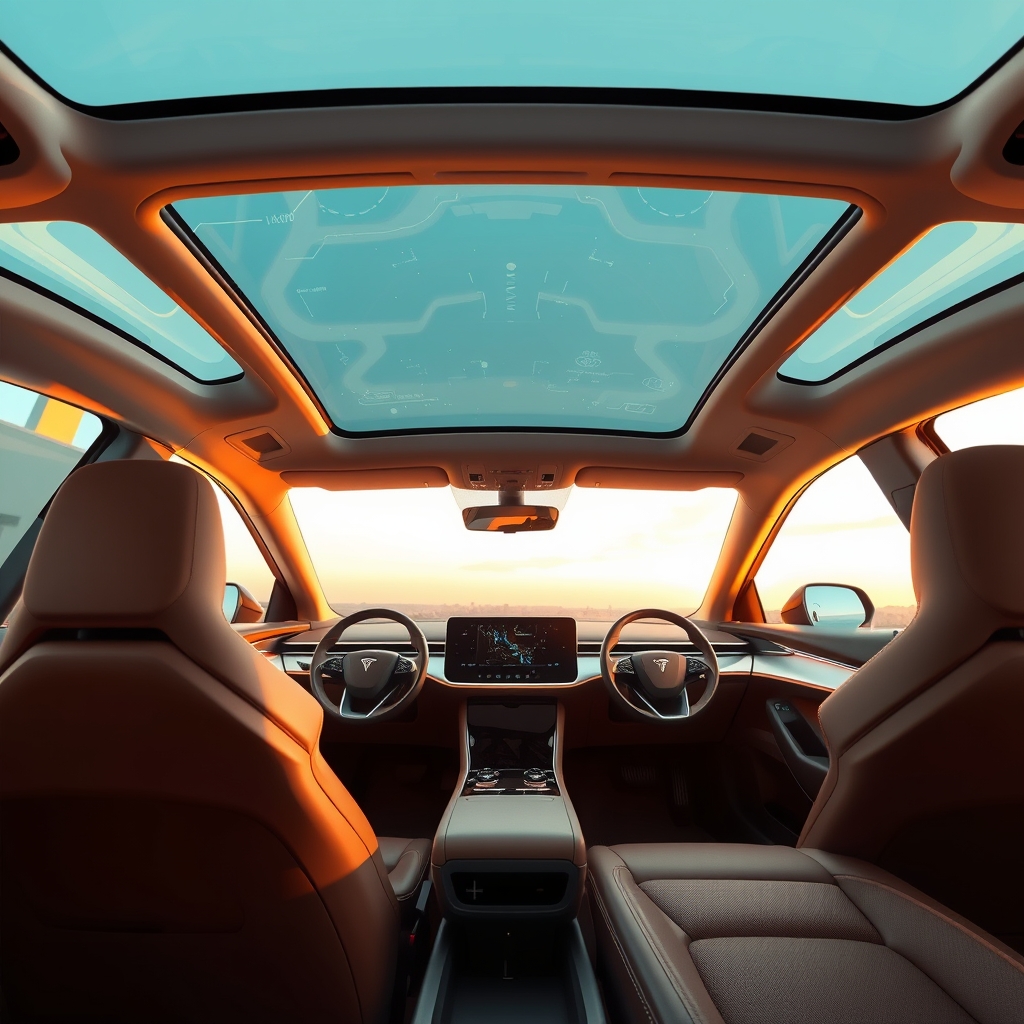
The automotive industry is undergoing a transformation so profound that it feels less like evolution and more like alchemy. At the heart of this shift lies a quiet revolution—one where sustainability and luxury no longer exist as opposing forces but as harmonious partners. Two technologies, in particular, are redefining what it means to drive in style while treading lightly on the planet: bio-synthetic leather and smart glass roofs. Together, they are crafting an invisible canvas where innovation meets elegance, and responsibility meets refinement.
The Rise of Bio-Synthetic Leather: Luxury Without Compromise
For decades, leather has been synonymous with luxury in the automotive world. The supple texture, the rich aroma, the timeless appeal—it’s a material that has defined premium interiors for generations. But behind its allure lies a darker truth: traditional leather production is resource-intensive, environmentally taxing, and ethically fraught. The cattle industry is a significant contributor to deforestation, greenhouse gas emissions, and water pollution, while the tanning process often involves toxic chemicals that harm both workers and ecosystems.
Enter bio-synthetic leather, a material that promises the best of both worlds. Derived from renewable resources like pineapple leaves, mushroom mycelium, or even lab-grown collagen, bio-synthetic leather offers the tactile and visual appeal of traditional leather without the environmental baggage. Companies like Piñatex, MycoWorks, and Modern Meadow are leading the charge, creating materials that are not only sustainable but also customizable in texture, color, and durability. Imagine stepping into a vehicle where the seats, dashboard, and even the steering wheel are wrapped in a material that feels like leather but is grown in a lab, free from the ethical and ecological dilemmas of animal agriculture.
This shift is not just about sustainability; it’s about redefining luxury itself. In an era where consumers are increasingly conscious of their environmental footprint, bio-synthetic leather represents a new standard of opulence—one that aligns with values of responsibility and innovation. Automakers like BMW, Mercedes-Benz, and Tesla are already incorporating these materials into their vehicles, signaling a broader industry trend toward guilt-free indulgence.
The Smart Glass Roof: A Window to the Future
If bio-synthetic leather is redefining the tactile experience of driving, smart glass roofs are transforming the visual and atmospheric one. Gone are the days when a sunroof was a static piece of glass, offering little more than a glimpse of the sky. Today’s smart glass roofs are dynamic, adaptive, and intelligent, capable of responding to environmental conditions and driver preferences in real time.
At the core of this technology is electrochromic glass, which can change its tint at the touch of a button or automatically adjust based on sunlight intensity. This means that on a scorching summer day, the glass can darken to block out UV rays and reduce heat buildup, keeping the cabin cool without the need for excessive air conditioning. Conversely, on a cloudy day, it can lighten to allow more natural light, creating a brighter, more inviting interior. Some advanced systems even incorporate augmented reality, projecting navigation cues or points of interest onto the glass, turning the windshield into an interactive display.
The benefits of smart glass roofs extend beyond comfort and convenience. By reducing the need for climate control, they contribute to energy efficiency, extending the range of electric vehicles (EVs) and lowering their overall environmental impact. They also enhance safety by improving visibility and reducing glare, making every drive smoother and more secure. And let’s not forget the sheer wow factor—there’s something undeniably futuristic about a car that seems to anticipate your needs before you even articulate them.
The Synergy of Sustainability and Sophistication
What makes the combination of bio-synthetic leather and smart glass roofs so powerful is their ability to address two critical aspects of modern mobility: sustainability and user experience. On one hand, bio-synthetic leather tackles the environmental and ethical challenges of traditional materials, offering a path toward a more circular and compassionate economy. On the other, smart glass roofs elevate the driving experience, making it more comfortable, efficient, and connected.
Together, these technologies are part of a broader movement toward software-defined vehicles (SDVs), where the car is no longer just a mode of transport but a living, breathing ecosystem that adapts to its environment and its occupants. SDVs leverage advanced sensors, AI, and connectivity to create a seamless and personalized experience, and both bio-synthetic leather and smart glass roofs are integral to this vision. The former ensures that the materials used are as intelligent as the software running the vehicle, while the latter turns the car’s interface with the outside world into a dynamic and responsive element of the journey.
The Road Ahead: A New Era of Automotive Design
The integration of bio-synthetic leather and smart glass roofs is just the beginning. As these technologies mature, we can expect even more innovation in how vehicles are designed and experienced. For instance, bio-synthetic materials could eventually be engineered to self-heal, repairing minor scratches or wear over time, while smart glass could incorporate solar cells to generate energy as it shades the cabin. The possibilities are as limitless as the imagination of the designers and engineers driving this change.
Moreover, these advancements are not occurring in isolation. They are part of a larger ecosystem of innovation that includes modular EV platforms, predictive maintenance AI, and vehicle-to-everything (V2X) communication. Together, these technologies are crafting a future where cars are not just smarter and more sustainable but also more attuned to the needs and desires of their occupants. The result is a driving experience that is as luxurious as it is responsible, as cutting-edge as it is conscientious.
The road to this future is paved with challenges, from scaling up the production of bio-synthetic materials to ensuring the reliability and affordability of smart glass technologies. But the direction is clear: the automotive industry is moving toward a future where every element of a vehicle, from its materials to its interfaces, is designed with both the planet and the passenger in mind. In this world, luxury is no longer defined by excess but by intelligence, sustainability, and a deep respect for the resources that make it all possible. The invisible canvas of tomorrow’s mobility is being painted today, one innovative stroke at a time, and the masterpiece it creates will redefine what it means to drive in style.