The Invisible Circuit: How Solid State Batteries and Vehicle-to-Everything Are Powering the Self-Sustaining EV Revolution
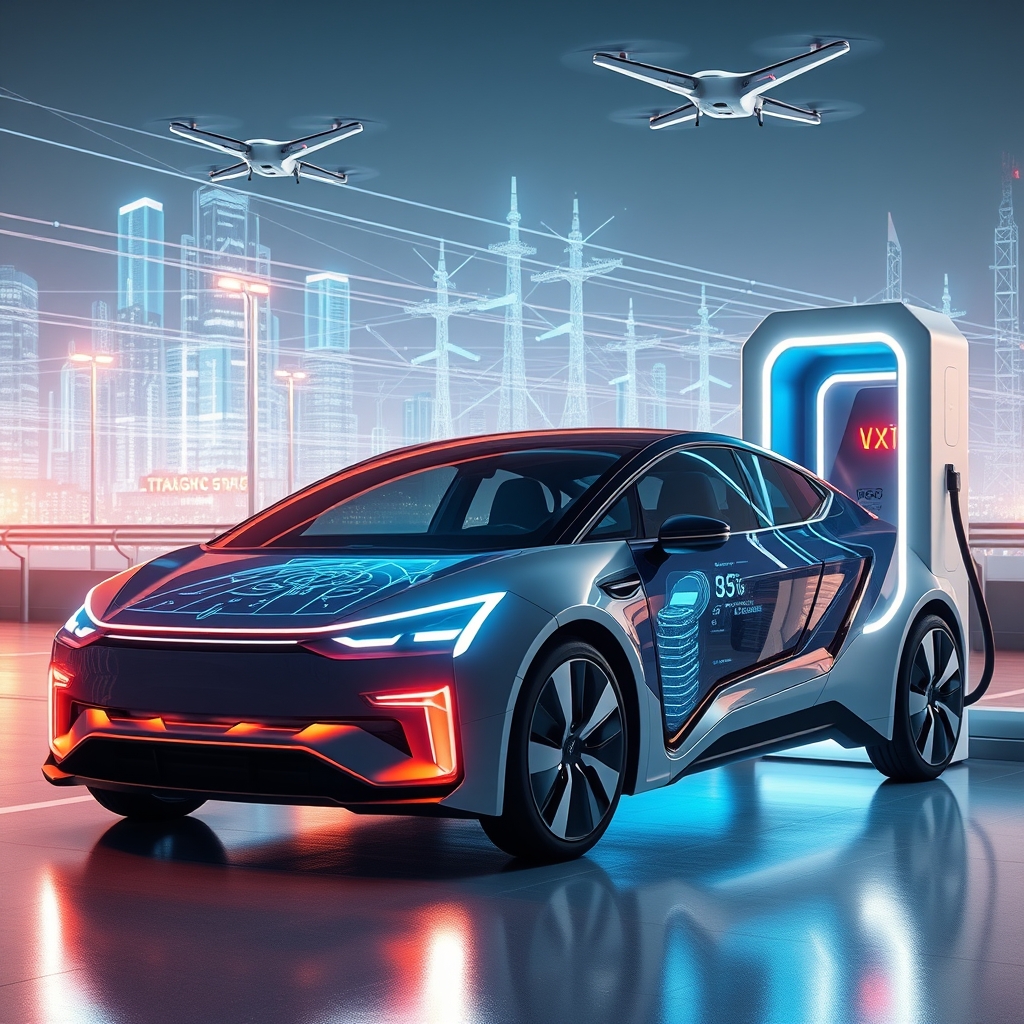
The automotive industry is undergoing a seismic shift, one where the boundaries between energy, intelligence, and connectivity dissolve into a seamless ecosystem. At the heart of this transformation lies a convergence of technologies that are not just redefining the vehicle but reshaping the very infrastructure that supports it. Among these, solid state batteries and Vehicle-to-Everything (V2X) communication stand as twin pillars, enabling a future where cars are no longer isolated machines but dynamic nodes in a vast, intelligent network.
The Quantum Leap: Solid State Batteries
For decades, lithium-ion batteries have been the workhorse of electric vehicles (EVs), but their limitations—range anxiety, charging times, and safety concerns—have long been a bottleneck. Enter solid state batteries, a technology that promises to shatter these barriers. By replacing the liquid or gel electrolyte in traditional batteries with a solid counterpart, these next-generation power sources offer a trifecta of advantages: higher energy density, faster charging, and enhanced safety.
Imagine an EV that can travel 600 miles on a single charge, then replenish 80% of its battery in under 10 minutes. This isn’t science fiction; it’s the near-term reality that solid state batteries are poised to deliver. Companies like QuantumScape, Solid Power, and Toyota are racing to commercialize this technology, with prototypes already demonstrating energy densities nearly double that of conventional lithium-ion cells. The implications are profound: EVs could finally achieve parity with internal combustion engines in terms of convenience, while also reducing the environmental footprint of battery production through longer lifespans and recyclable materials.
The Safety Paradigm
Beyond performance, solid state batteries address one of the most pressing concerns in EV adoption: safety. Traditional lithium-ion batteries are prone to thermal runaway—a chain reaction that can lead to fires or explosions. Solid state batteries, however, are inherently more stable. Their solid electrolytes are non-flammable, eliminating the risk of catastrophic failure. This not only enhances passenger safety but also simplifies thermal management systems, reducing weight and complexity in vehicle design.
The Nervous System: Vehicle-to-Everything (V2X)
While solid state batteries redefine the energy storage paradigm, V2X communication is transforming the vehicle into a sentient participant in the broader energy and transportation ecosystem. V2X is an umbrella term for technologies that enable vehicles to communicate with everything around them—other cars (V2V), infrastructure (V2I), pedestrians (V2P), and even the power grid (V2G). This real-time exchange of data is the backbone of a smarter, safer, and more efficient mobility future.
Beyond Autonomous Driving
Autonomous driving often steals the spotlight in discussions about connected vehicles, but V2X is far more than just a tool for self-driving cars. It’s a force multiplier for efficiency and sustainability. For instance, V2I communication can optimize traffic flow by coordinating with smart traffic lights, reducing idling and emissions. In urban environments, V2P can enhance pedestrian safety by alerting drivers to the presence of people in blind spots or crosswalks, even before they come into view.
Perhaps the most revolutionary application of V2X lies in its ability to turn EVs into mobile energy assets. Through Vehicle-to-Grid (V2G) technology, EVs can feed excess energy back into the grid during peak demand, acting as decentralized power storage units. This bidirectional flow not only stabilizes the grid but also creates new revenue streams for vehicle owners, who can sell stored energy back to utilities. When paired with solid state batteries, which offer faster charging and discharging capabilities, V2G becomes even more potent, enabling EVs to respond dynamically to grid demands.
The Synergy: A Self-Sustaining Ecosystem
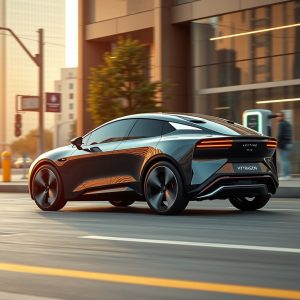
The true magic happens when solid state batteries and V2X converge. Together, they create a self-sustaining ecosystem where energy, data, and mobility intertwine. Consider a scenario where an EV equipped with a solid state battery and V2X technology arrives at a charging station. The vehicle communicates with the grid, determining the optimal time to charge based on energy demand and pricing. If the grid is under strain, the EV can delay charging or even discharge a portion of its battery to support the network. Meanwhile, the solid state battery’s rapid charging capability ensures that the vehicle is ready to go when needed, without long wait times.
Urban Air Mobility and Beyond
The implications of this synergy extend beyond ground transportation. Urban Air Mobility (UAM), which envisions electric vertical takeoff and landing (eVTOL) aircraft ferrying passengers across cities, stands to benefit immensely. Solid state batteries could provide the energy density required for longer flights, while V2X communication ensures safe and efficient air traffic management. In this future, ground and air mobility are no longer siloed but part of a unified, intelligent transportation network.
The Road Ahead: Challenges and Opportunities
Despite the promise, the path to widespread adoption is not without hurdles. For solid state batteries, scaling production and reducing costs remain significant challenges. The materials required—such as lithium metal anodes and ceramic electrolytes—are expensive and difficult to manufacture at scale. Similarly, V2X technology faces obstacles in standardization, cybersecurity, and infrastructure deployment. Governments and industries must collaborate to establish universal protocols and invest in the necessary infrastructure, from smart traffic lights to grid integration systems.
Yet, the opportunities far outweigh the challenges. The convergence of solid state batteries and V2X is not just about creating better cars; it’s about reimagining the role of the vehicle in society. These technologies are the building blocks of a future where mobility is clean, efficient, and seamlessly integrated into the fabric of daily life. As they mature, they will unlock new possibilities—from energy-resilient cities to fully autonomous transportation networks—that were once the stuff of dreams.
The road to this future is paved with innovation, and every mile brings us closer to a world where the invisible circuits of energy and intelligence power not just our vehicles, but the very way we live.