The Invisible Revolution: How Bio-Synthetic Leather, Smart Glass Roofs, and Liquid Hydrogen Storage Are Crafting the Next Era of Zero-Emission Luxury Mobility
The automotive industry is undergoing a transformation so profound that its most revolutionary elements often remain unseen. Beneath the sleek exteriors of next-generation vehicles lies a convergence of technologies that are redefining what it means to travel in luxury while leaving no carbon footprint. At the heart of this shift are three innovations—bio-synthetic leather, smart glass roofs, and liquid hydrogen storage—that are quietly reshaping the future of zero-emission mobility without sacrificing comfort, style, or performance.
The Rise of Bio-Synthetic Leather: Luxury Without Compromise
For decades, luxury vehicles have been synonymous with premium leather interiors, a material that, while aesthetically pleasing, carries a heavy environmental cost. The tanning process alone is one of the most polluting in the fashion and automotive industries, relying on toxic chemicals and vast amounts of water. Enter bio-synthetic leather, a material engineered from plant-based polymers, agricultural waste, and even lab-grown collagen, offering the same supple texture and durability as traditional leather but with a fraction of the ecological impact.
Brands like Tesla, BMW, and Mercedes-Benz are already integrating these materials into their high-end models, proving that sustainability no longer requires a trade-off in quality. Bio-synthetic leather isn’t just an alternative; it’s a superior choice. It resists wear and tear better than animal leather, can be dyed in an infinite array of colors without harmful chemicals, and—most importantly—eliminates the ethical concerns of animal agriculture. As circular material economies gain traction, these materials are also designed to be fully recyclable, ensuring that the luxury of today doesn’t become the waste of tomorrow.
Smart Glass Roofs: The Fusion of Aesthetics and Efficiency
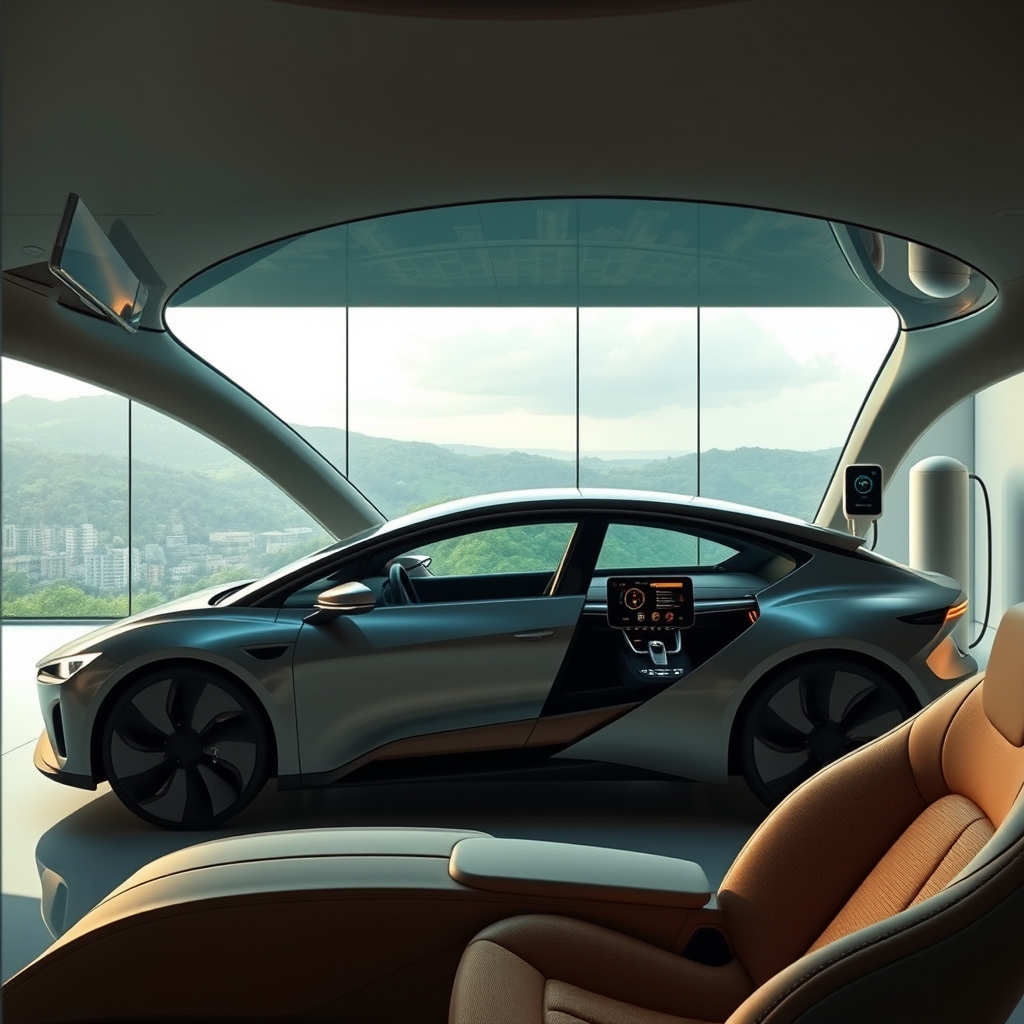
The roof of a vehicle is more than just a structural element; it’s a canvas for innovation. Smart glass roofs, equipped with electrochromic technology, are transforming the in-cabin experience by dynamically adjusting tint levels to regulate temperature, reduce glare, and even generate energy. Unlike traditional sunroofs, which are either open or closed, smart glass can shift from transparent to opaque in seconds, providing passengers with an unobstructed view of the sky while maintaining optimal thermal comfort.
This technology doesn’t just enhance the driving experience—it also contributes to energy efficiency. By reducing the need for air conditioning, smart glass roofs lower the overall energy demand of the vehicle, extending the range of electric and hydrogen-powered cars. Some advanced systems even incorporate photovoltaic cells, turning the roof into a solar panel that can trickle-charge the battery or power auxiliary systems. When paired with in-cabin intelligence, these roofs can anticipate weather changes, automatically adjusting tint levels to keep passengers comfortable without manual input.
The Role of In-Cabin Intelligence
Smart glass roofs are just one piece of the broader puzzle of in-cabin intelligence, a system that leverages AI to create a seamless, personalized experience for every passenger. Sensors embedded throughout the vehicle monitor everything from air quality to passenger mood, adjusting lighting, temperature, and even scent diffusion to match individual preferences. Voice-activated assistants can control navigation, entertainment, and climate settings, while biometric sensors ensure that the car’s environment adapts to the needs of its occupants in real time.
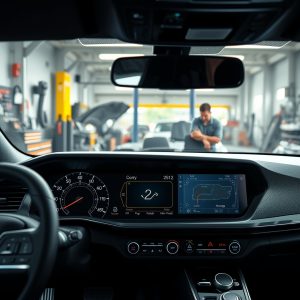
This level of customization isn’t just about luxury—it’s about efficiency. By learning from driver behavior, in-cabin AI can optimize energy usage, suggesting the most efficient routes or even pre-conditioning the battery for optimal performance. When combined with predictive maintenance systems, these intelligent cabins can alert drivers to potential issues before they become problems, ensuring that the vehicle remains in peak condition without unexpected downtime.
Liquid Hydrogen Storage: The Next Frontier of Zero-Emission Power
While battery-electric vehicles dominate the conversation around zero-emission mobility, liquid hydrogen storage is emerging as a game-changer for long-range and heavy-duty applications. Unlike gaseous hydrogen, which requires high-pressure tanks, liquid hydrogen is stored at cryogenic temperatures, allowing for a much higher energy density. This means that vehicles equipped with liquid hydrogen fuel cells can achieve ranges comparable to—or even exceeding—those of traditional internal combustion engines, without the weight and charging limitations of battery packs.
The advantages of liquid hydrogen extend beyond range. Refueling takes minutes rather than hours, and the only byproduct of the chemical reaction in a fuel cell is water vapor. For industries like aviation, shipping, and long-haul trucking, where battery weight and charging times are prohibitive, liquid hydrogen offers a viable path to decarbonization. Automakers like Toyota and Hyundai are already investing heavily in this technology, with prototypes demonstrating its potential to revolutionize not just passenger vehicles but the entire transportation ecosystem.
Synergies with Other Innovations
The true power of liquid hydrogen storage lies in its ability to integrate with other cutting-edge technologies. For example, when paired with modular EV platforms, hydrogen-powered vehicles can be designed with flexible architectures that accommodate different tank sizes and configurations, making them adaptable to a wide range of applications. Bidirectional charging systems could even allow hydrogen vehicles to feed excess energy back into the grid or power homes during peak demand, turning them into mobile energy storage units.
Moreover, liquid hydrogen’s high energy density makes it an ideal complement to aerodynamic efficiency. Vehicles designed with sleek, low-drag profiles can maximize the range benefits of hydrogen fuel cells, while regenerative braking systems can capture and store energy that would otherwise be lost. This synergy creates a virtuous cycle of efficiency, where every innovation amplifies the impact of the others.
As these technologies mature, they are not just redefining what a vehicle can do—they are reimagining what it means to move through the world. The luxury of the future isn’t about opulence for its own sake; it’s about a seamless blend of sustainability, intelligence, and performance, where every journey leaves no trace behind. The road ahead is invisible in the best possible way, paved with innovations that work quietly in the background to create a driving experience that is as effortless as it is extraordinary. The vehicles of tomorrow won’t just take us from point A to point B; they will do so in a way that respects the planet, anticipates our needs, and elevates every moment spent on the road into an experience worth savoring.