The Software-Defined Vehicle: Architecting the Future of Mobility and Sustainability
The automotive industry is undergoing its most profound transformation since the invention of the assembly line. What was once a realm dominated by mechanical engineering and horsepower is rapidly evolving into a complex ecosystem where software reigns supreme. This paradigm shift gives rise to the Software-Defined Vehicle (SDV), a concept that is not just about adding more screens or connectivity, but fundamentally rethinking how vehicles are designed, manufactured, operated, and maintained.
The Rise of the Software-Defined Vehicle
Beyond Horsepower: Software as the New Engine
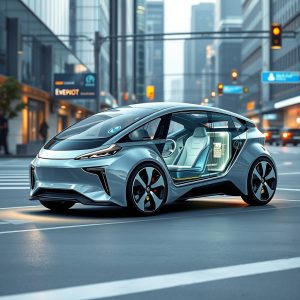
At its core, the Software-Defined Vehicle is a platform where the majority of features and functionalities are implemented, controlled, and upgraded through software rather than hardware. This means that a vehicle’s character, performance, safety features, and user experience can be continuously refined and personalized long after it leaves the factory floor. It’s a move from static, hardware-centric products to dynamic, evolving digital ecosystems on wheels, much like a smartphone or a modern computer.
Connectivity as the Core
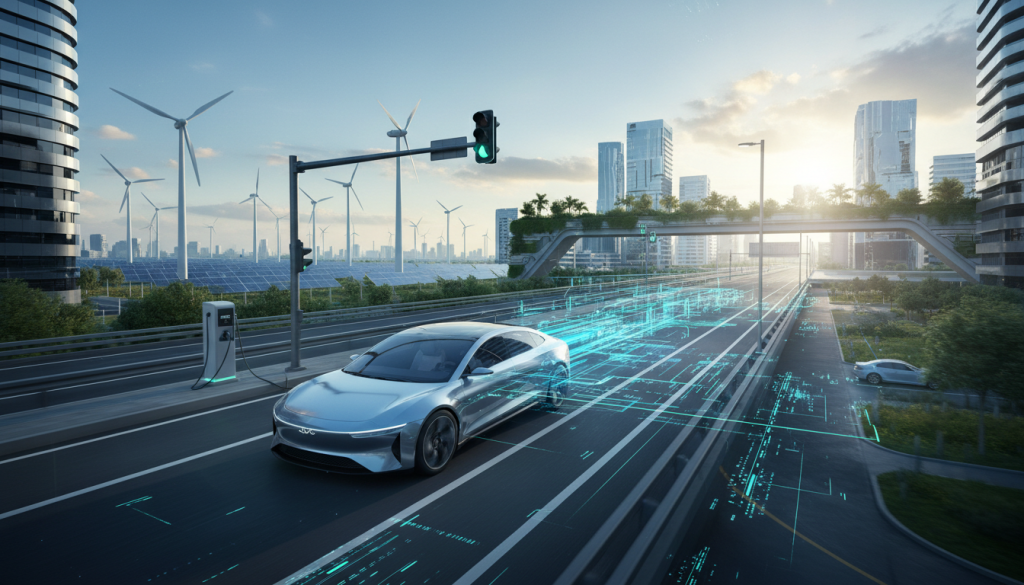
Crucial to the SDV revolution is robust connectivity. The modern connected car is no longer an isolated machine; it’s a node in a vast network, constantly exchanging data. This real-time data flow, often facilitated by advanced networks like Private 5G in manufacturing or public cellular networks on the road, is the lifeblood of the SDV. It enables everything from remote diagnostics and navigation updates to infotainment streaming and vehicle-to-infrastructure (V2I) communication, laying the groundwork for truly intelligent mobility.
Unlocking New Possibilities and Services
Over-The-Air Updates: Continuous Evolution
One of the most immediate and impactful benefits of the SDV is the capability for Over-The-Air (OTA) updates. Imagine your car receiving new features, performance enhancements, or critical security patches overnight, much like your smartphone. OTA updates dramatically extend the lifespan of a vehicle’s digital capabilities, keeping it fresh, safe, and relevant without a trip to the dealership. This not only enhances the user experience but also allows manufacturers to respond swiftly to emerging needs or issues, driving continuous innovation.
Predictive Maintenance and Proactive Care
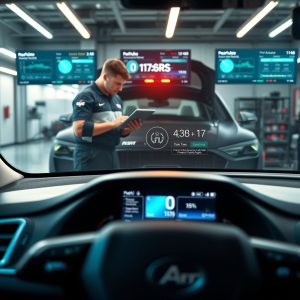
Leveraging the constant stream of data from connected cars, SDVs enable sophisticated Predictive Maintenance. By continuously monitoring vehicle health, performance metrics, and component wear, algorithms can anticipate potential failures before they occur. This proactive approach, often enhanced by a Digital Twin — a virtual replica of the physical vehicle that simulates its behavior and wear — allows for timely interventions, significantly reducing downtime, improving safety, and minimizing costly repairs. Real-time analytics transforms maintenance from reactive to predictive, ensuring optimal vehicle operation and reliability.
The Era of Mobility-as-a-Service
The flexibility and programmability of SDVs are catalysts for the expansion of Mobility-as-a-Service (MaaS). With software controlling vehicle functions, it becomes easier to manage fleets, offer on-demand ridesharing, car-sharing, or even subscription-based access to specific vehicle features. SDVs allow for dynamic allocation and personalization of vehicles, tailoring the mobility experience to individual preferences and needs, moving beyond traditional ownership models towards a more flexible and efficient transportation ecosystem.
Driving Towards a Sustainable Future
Digital Twins and Leaner Production
The impact of SDVs extends beyond the vehicle’s operational life to its creation. Digital Twins are revolutionizing Sustainable Manufacturing processes. By creating virtual models of entire production lines and even individual components, manufacturers can simulate, test, and optimize every stage of production before a single physical part is made. This approach minimizes waste, reduces energy consumption, and enhances efficiency, embodying the principles of Lean Manufacturing and contributing to a smaller environmental footprint.
Extending Vehicle Lifecycles: A Circular Economy Perspective
Perhaps one of the most significant contributions of the SDV to sustainability is its potential to extend vehicle lifecycles. With the ability to update software, enhance features, and perform predictive maintenance, vehicles can remain technologically relevant and functionally sound for much longer. This shift supports a Circular Economy model, reducing the need for constant new production and the associated resource extraction and waste generation. By maximizing the utility and longevity of existing assets, SDVs contribute to a more sustainable consumption pattern in the automotive sector.
The journey towards a fully software-defined future is complex, requiring robust cybersecurity, advanced AI capabilities, and a fundamental shift in how automotive companies operate. However, the promise of smarter, safer, more personalized, and inherently more sustainable mobility is too compelling to ignore. As software continues to redefine the driving experience, it lays the foundation for an automotive future that is not just about getting from point A to point B, but about a holistic, evolving, and environmentally conscious journey.