Driving Tomorrow: Unpacking the Future of Automotive Innovation
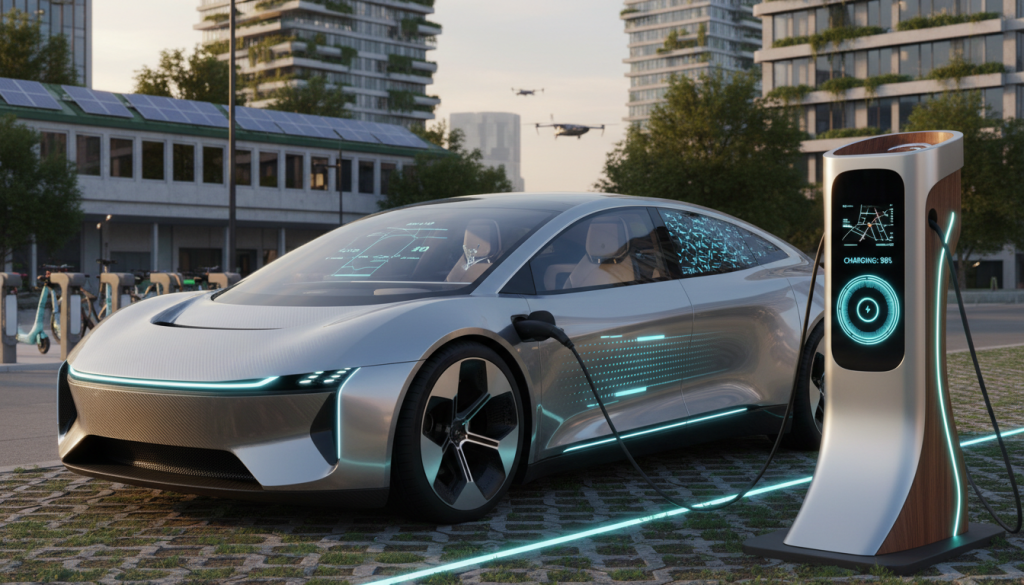
The automotive industry stands on the precipice of its most profound transformation yet, moving far beyond mere horsepower and traditional combustion engines. We’re entering an era where vehicles are intelligent, sustainable, and deeply integrated into our digital lives. From the rapid expansion of Electric Vehicle Infrastructure to the sophisticated algorithms powering Autonomous Driving Systems, the future promises a driving experience that is safer, cleaner, and incredibly personalized. Understanding these emerging trends isn’t just for enthusiasts; it’s crucial for anyone navigating the roads of tomorrow.
This revolution is driven by technological breakthroughs and a global push for environmental responsibility. As innovators push boundaries, our cars are evolving from simple transportation tools into complex, connected ecosystems. Let’s explore the key innovations shaping this exciting new landscape.
Powering Tomorrow: The Electrified Revolution
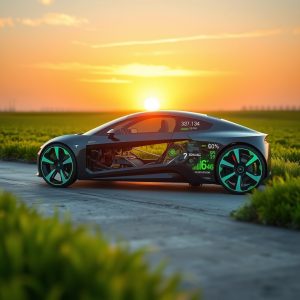
At the heart of the automotive future is electrification. The growth of robust Electric Vehicle Infrastructure is paramount, ensuring seamless charging experiences whether at home, work, or on long journeys. This infrastructure is becoming smarter, supporting innovations like Bidirectional Charging, which allows EVs to not only draw power from the grid but also feed it back, acting as mobile energy storage units.
Fueling these advanced electric powertrains are groundbreaking energy solutions. Solid State Batteries are on the horizon, promising significantly higher energy density, faster charging times, and enhanced safety compared to current lithium-ion technology. Complementing this, Regenerative Braking systems are becoming even more efficient, capturing kinetic energy typically lost during deceleration and converting it back into usable electricity, extending range and reducing wear.
While electrification dominates, alternative clean energy sources are also evolving. Hydrogen Fuel Cells offer a compelling zero-emission solution, particularly for heavy-duty vehicles and long-range travel, providing rapid refueling and impressive ranges without reliance on large battery packs. This diverse approach ensures a robust transition away from fossil fuels.
Driving Smarter: Autonomy and Connectivity
The dream of self-driving cars is steadily becoming a reality, driven by sophisticated Autonomous Driving Systems. These systems employ an array of sensors, cameras, radar, and lidar, processed by powerful AI to perceive their surroundings and navigate safely. While fully autonomous vehicles are still in development, Advanced Driver Assistance (ADAS) features like adaptive cruise control, lane-keeping assist, and automatic emergency braking are already enhancing safety and convenience on our roads today.
Beyond autonomy, vehicles are becoming intelligent, connected hubs. The rise of Software Defined Vehicles means cars can receive over-the-air updates, adding new features and improving performance throughout their lifespan, much like smartphones. This flexibility also supports Subscription Based Features, allowing owners to customize their vehicle’s capabilities on demand.
These smart vehicles are integral to Connected Car Ecosystems, communicating with other vehicles (V2V), infrastructure (V2I), and even pedestrians (V2P). This V2X communication holds the potential to drastically reduce accidents, optimize traffic flow, and create a truly integrated transportation network.
The Driver Experience Reimagined
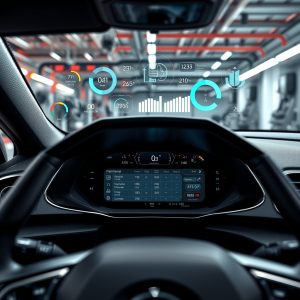
Inside the cabin, the future promises an immersive and highly personalized environment. Augmented Reality Dashboards are transforming how drivers interact with information, overlaying navigation directions directly onto the road ahead or highlighting potential hazards in real-time. This reduces cognitive load and keeps eyes on the road.
Accessing and starting your vehicle will also become seamless and secure with Biometric Vehicle Access. Fingerprint scanners, facial recognition, or even iris scans will replace traditional keys, offering enhanced security and instantly recalling personalized settings for each driver. Furthermore, Smart Glass Technology allows for dynamic tinting of windows, offering instant privacy or glare reduction at the touch of a button, adapting to external conditions.
Even the materials within the cabin are changing. A focus on Sustainable Interiors means greater use of recycled plastics, plant-based leathers, and innovative bio-materials, reducing the environmental footprint of vehicle production and operation without compromising on luxury or comfort. This extends to specialized markets, where even Off Road Luxury vehicles are adopting these sustainable, high-tech approaches.
Sustainability and Beyond: A Holistic Approach
The commitment to a greener future extends far beyond the tailpipe. Carbon Neutral Manufacturing processes are becoming a benchmark, with automakers investing in renewable energy sources and efficient production techniques to minimize their environmental impact from factory to showroom. This holistic view of sustainability is reshaping the entire automotive lifecycle.
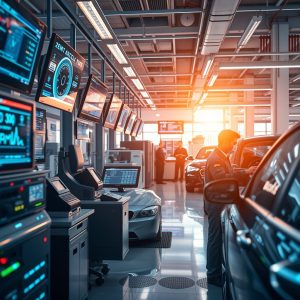
Innovation also permeates design and development. Digital Twin Engineering creates virtual replicas of vehicles, allowing engineers to test, refine, and optimize designs in a simulated environment before physical production. This accelerates development cycles, reduces costs, and enhances quality, making complex systems like those for Urban Air Mobility and advanced autonomous vehicles more feasible.
The scope of personal transport is also broadening. Micro Mobility Solutions like advanced e-scooters and compact electric vehicles are addressing urban congestion and last-mile challenges, offering flexible and eco-friendly alternatives. Meanwhile, for those who cherish classic cars, Retrofit Electrification is gaining traction, allowing beloved vintage vehicles to be updated with modern electric powertrains, blending heritage with sustainable technology.
The automotive landscape is rapidly transforming into an intelligent, interconnected, and sustainable ecosystem. These innovations, from advanced power sources and autonomous capabilities to personalized in-car experiences and eco-conscious manufacturing, are not isolated developments but interconnected threads weaving a new fabric for mobility. Embracing these shifts means preparing for a future where every journey is smarter, cleaner, and uniquely tailored to individual needs, fundamentally redefining our relationship with transportation.