The Invisible Revolution: How Bidirectional Charging and Vehicle-to-Everything Technology Are Powering the Smart Cities of Tomorrow
The modern electric vehicle (EV) is no longer just a mode of transportation—it is evolving into a dynamic energy node, capable of interacting with the world around it in ways previously unimaginable. At the heart of this transformation lies bidirectional charging, a technology that allows EVs to not only draw power from the grid but also feed it back when needed. When combined with Vehicle-to-Everything (V2X) communication, this innovation is reshaping how we think about energy distribution, urban resilience, and the very infrastructure of smart cities.
The Power of Two-Way Energy Flow
Traditional charging systems treat EVs as passive consumers of electricity, but bidirectional charging flips this model on its head. By enabling energy to flow both into and out of the vehicle’s battery, EVs become mobile energy storage units that can support the grid during peak demand, power homes during outages, or even supply electricity to other vehicles. This capability is particularly valuable in regions with unstable energy infrastructure or high renewable energy penetration, where excess solar or wind power can be stored in EV batteries and redistributed when needed.
One of the most compelling applications of bidirectional charging is Vehicle-to-Grid (V2G), where EVs act as decentralized power plants. During periods of high electricity demand, utilities can tap into the aggregated energy stored in thousands of parked EVs, reducing the need for fossil fuel-based peaker plants. For EV owners, this creates an opportunity to monetize their vehicle’s battery by selling stored energy back to the grid, turning their car into a potential revenue stream.
Beyond the Grid: Vehicle-to-Home and Vehicle-to-Load
While V2G is transformative for energy providers, Vehicle-to-Home (V2H) and Vehicle-to-Load (V2L) technologies are empowering consumers in more immediate ways. V2H allows an EV to power a household during blackouts, effectively serving as a backup generator. This is especially valuable in disaster-prone areas, where grid reliability is a constant concern. Meanwhile, V2L enables EVs to act as portable power banks, capable of charging other devices—from laptops to electric bikes—anywhere, anytime.
Automakers are already integrating these features into their latest models. For instance, vehicles equipped with 800-volt architecture can deliver power more efficiently, making bidirectional charging not just a novelty but a practical solution for everyday energy needs. As these technologies mature, the line between transportation and energy infrastructure will continue to blur, creating a more flexible and resilient power ecosystem.
The Role of V2X in Smart Cities
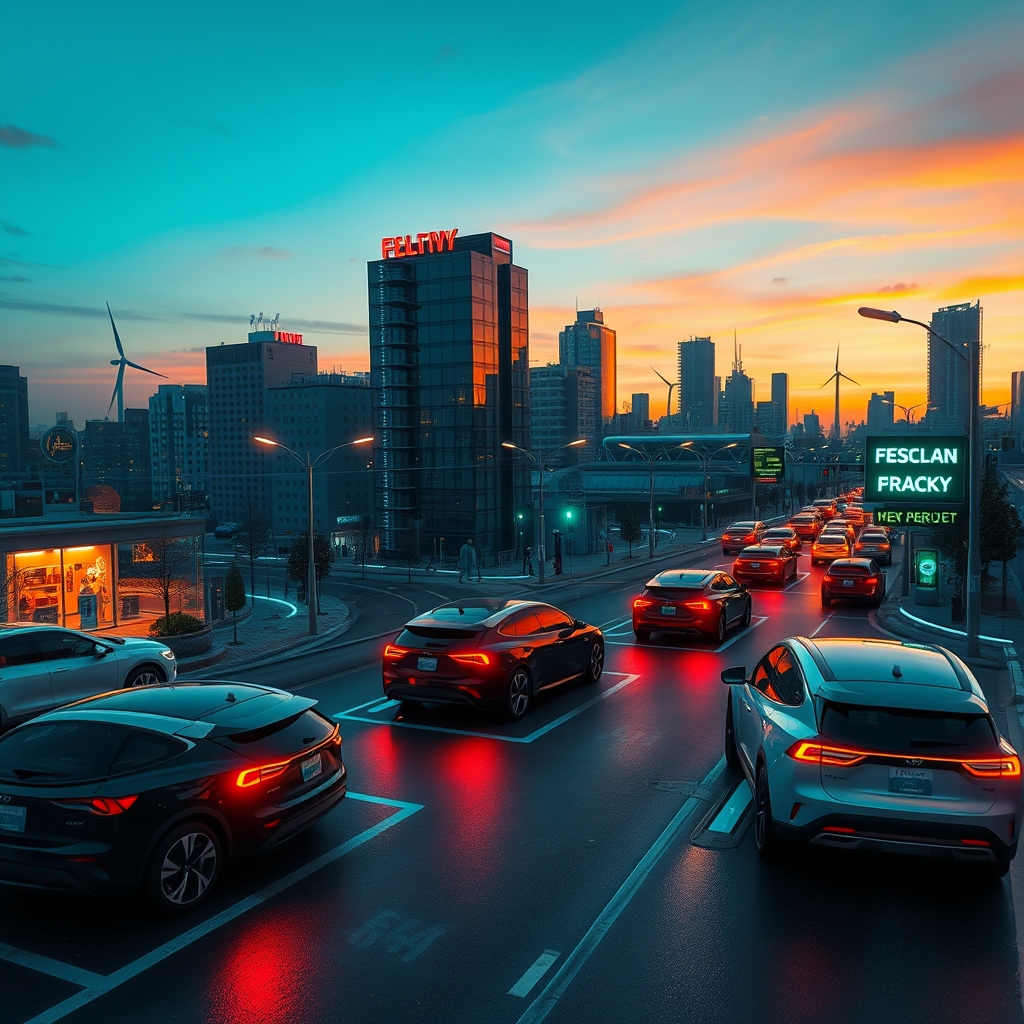
Bidirectional charging is just one piece of the puzzle. When paired with Vehicle-to-Everything (V2X) communication, EVs become part of a larger, interconnected network that includes traffic lights, road sensors, other vehicles, and even pedestrians. V2X enables real-time data exchange, allowing cars to anticipate traffic conditions, optimize routes, and even communicate with infrastructure to reduce congestion and improve safety.
In a smart city, V2X can facilitate predictive maintenance by alerting drivers to potential issues before they become critical, reducing downtime and repair costs. It can also enhance aerodynamic efficiency by coordinating vehicle speeds to minimize drag, further extending range. For urban planners, V2X provides invaluable insights into traffic patterns, enabling the design of more efficient road networks and reducing emissions from idling vehicles.
Energy as a Service: The Future of Mobility
The convergence of bidirectional charging and V2X is giving rise to new business models, such as Energy-as-a-Service (EaaS). In this model, EV owners can lease their vehicle’s battery capacity to energy providers, creating a decentralized energy marketplace. This not only benefits consumers but also accelerates the transition to renewable energy by providing a scalable storage solution for intermittent power sources like solar and wind.
Moreover, V2X can integrate with urban air mobility (UAM) systems, where electric vertical takeoff and landing (eVTOL) aircraft rely on ground-based charging infrastructure. By leveraging bidirectional charging, eVTOLs can draw power from the grid during off-peak hours and feed excess energy back when demand is high, ensuring a stable and sustainable energy supply for the skies of tomorrow.
Challenges and the Path Forward
Despite its promise, the widespread adoption of bidirectional charging and V2X faces several hurdles. Standardization remains a key challenge, as different automakers and energy providers use proprietary systems that may not be compatible. Regulatory frameworks also need to evolve to accommodate these technologies, particularly around energy pricing, grid stability, and data privacy.
Battery degradation is another concern. Frequent charging and discharging cycles can reduce the lifespan of an EV’s battery, though advancements in solid-state batteries and predictive maintenance AI are helping to mitigate this issue. As battery technology improves, bidirectional charging will become even more viable, further unlocking the potential of V2X.
Infrastructure upgrades are also necessary. While some cities are already experimenting with smart grids and V2X-enabled traffic systems, widespread deployment will require significant investment. However, the long-term benefits—reduced emissions, lower energy costs, and enhanced grid resilience—make this a worthwhile endeavor.
As we stand on the brink of this invisible revolution, it’s clear that the future of mobility is not just about getting from point A to point B. It’s about creating a seamless, intelligent ecosystem where vehicles, infrastructure, and energy systems work in harmony. The cars of tomorrow won’t just be driven—they’ll be part of a dynamic, interconnected web that powers our cities, sustains our environment, and redefines what it means to be truly mobile. The shift is already underway, and those who embrace it will be at the forefront of a smarter, more sustainable world.