
10 Must-Have Tools for DIY Car Modifications
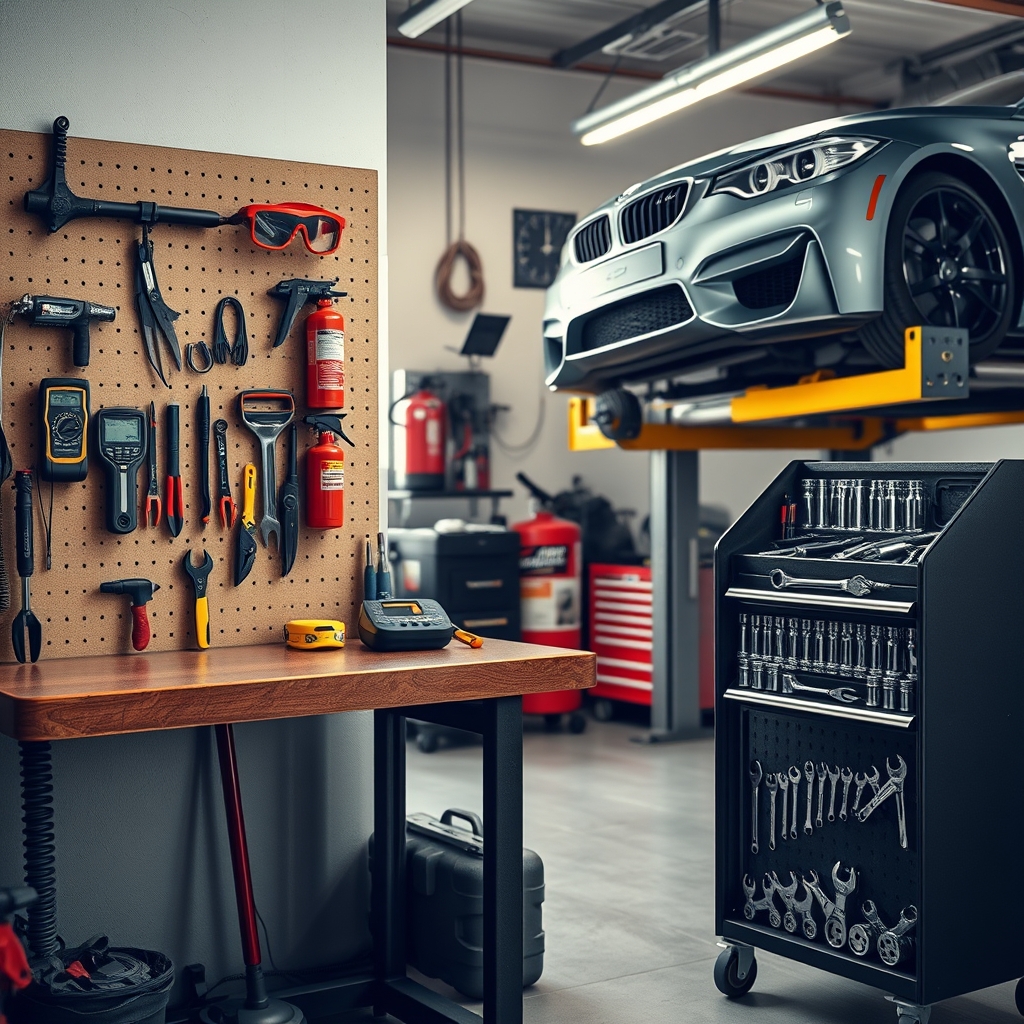
Embarking on DIY car modifications is a thrilling way to personalize your vehicle, enhance performance, and save money. Whether you’re a seasoned gearhead or a beginner eager to dive into the world of automotive customization, having the right tools is crucial. The difference between a smooth, successful project and a frustrating ordeal often comes down to the equipment in your garage. This guide explores the ten essential tools every car enthusiast should have, from budget-friendly staples to professional-grade gear that will elevate your modifications to the next level.
Safety First: Protecting Yourself and Your Vehicle
Before diving into any modification, prioritizing safety is non-negotiable. A well-stocked safety kit ensures you can handle unexpected situations without compromising your well-being or your car’s integrity. Start with a high-quality pair of safety gloves—nitrile-coated or mechanic-specific gloves protect your hands from sharp edges, chemicals, and hot surfaces. Pair these with ANSI-rated safety glasses to shield your eyes from debris, sparks, and harmful fluids. For projects involving welding, grinding, or sanding, a respirator mask with organic vapor filters is essential to avoid inhaling toxic fumes or fine particles.
Don’t overlook fire safety—a compact, automotive-rated fire extinguisher (ABC class) should be within arm’s reach. Additionally, a first aid kit tailored for garage use, complete with burn gel, antiseptic wipes, and bandages, prepares you for minor injuries. For those working alone, a battery-powered emergency light or headlamp ensures visibility in dimly lit areas, reducing the risk of accidents.
Diagnostic Tools: Unlocking Your Car’s Secrets
Modern cars are rolling computers, and understanding their inner workings requires the right diagnostic tools. An OBD-II scanner is the cornerstone of any DIYer’s toolkit, allowing you to read and clear error codes, monitor real-time data, and even perform advanced functions like resetting the ECU. Budget-friendly options like the BlueDriver or Ancel AD310 offer excellent value, while pro-level scanners like the Launch X431 provide dealer-level diagnostics for complex modifications.
For deeper insights, a multimeter is indispensable. This versatile tool measures voltage, current, and resistance, helping you diagnose electrical issues, test sensors, and verify wiring integrity. A fuel pressure gauge is another must-have for performance enthusiasts, enabling you to monitor fuel system health and optimize engine tuning. Pair these with a compression tester to assess engine condition, ensuring your modifications don’t compromise reliability.
Performance Upgrades: Tools for Power and Precision
Transforming your car’s performance often requires specialized tools that go beyond basic hand tools. A torque wrench is critical for ensuring bolts are tightened to manufacturer specifications, preventing over-torquing or under-torquing that could lead to failures. For suspension work, a spring compressor safely handles coil springs, while a strut mount tool simplifies the installation of strut assemblies. When upgrading brakes, a brake caliper piston tool makes retracting pistons a breeze, especially for vehicles with rear calipers that require twisting.
For engine modifications, an engine hoist and engine stand are essential for tasks like swapping engines or installing performance parts. A harmonic balancer puller and flywheel lock simplify the removal of stubborn components, while a valve spring compressor is necessary for head work. If you’re venturing into forced induction, a boost leak tester ensures your turbo or supercharger system is airtight, maximizing efficiency and power.
Budget-Friendly Alternatives for Beginners
You don’t need to break the bank to get started with DIY modifications. Many high-quality tools are available at affordable prices, and some can even be rented or borrowed to save costs. For example, a basic socket set with metric and SAE sizes is a versatile starting point, while a breaker bar provides extra leverage for stubborn bolts. A magnetic parts tray keeps small components organized, and a work light with a flexible neck improves visibility in tight spaces.
For those on a tight budget, consider purchasing used tools from reputable sellers or exploring tool-sharing programs at local car clubs. Many auto parts stores also offer tool rental services for specialized equipment like engine hoists or spring compressors. Investing in quality where it matters—such as a reliable jack and jack stands—while opting for budget-friendly alternatives elsewhere can help you build a functional toolkit without overspending.
Pro-Level Gear for Advanced Modifications
As your skills and ambitions grow, upgrading to professional-grade tools can make complex modifications more manageable and precise. A cordless impact wrench with high torque output, like those from Milwaukee or DeWalt, speeds up tasks like removing lug nuts or suspension components. A digital angle finder ensures accurate alignment when installing aftermarket parts, while a laser thermometer helps monitor engine temperatures during tuning.
For fabrication work, a MIG or TIG welder opens up possibilities for custom exhaust systems, roll cages, and body modifications. A plasma cutter is another valuable addition for precision metalwork, allowing you to create custom brackets or trim panels with ease. If you’re serious about engine tuning, a wideband air-fuel ratio (AFR) gauge provides real-time data to optimize performance, while a dyno tuning session fine-tunes your setup for maximum power.
Organizing Your Workspace for Efficiency
A well-organized workspace is just as important as the tools themselves. A pegboard tool organizer keeps frequently used tools within reach, while magnetic tool holders secure metal tools to prevent them from rolling away. A rolling tool cart with drawers provides mobility and storage, allowing you to keep your workspace clutter-free. For larger projects, a workbench with a vise offers a sturdy surface for cutting, grinding, or assembling parts.
Labeling drawers and bins with the contents makes it easy to find what you need, while a parts washer keeps components clean during disassembly. A shop vacuum with a HEPA filter helps maintain a clean environment, especially when working with fine dust or debris. By creating a dedicated, organized space for your DIY projects, you’ll work more efficiently and reduce the risk of losing or damaging tools.
Equipping your garage with the right tools transforms DIY car modifications from a daunting task into an enjoyable and rewarding experience. Whether you’re tightening a bolt, diagnosing an engine issue, or fabricating a custom part, having the proper equipment at your fingertips ensures precision, safety, and success. As you build your toolkit, remember that each project is an opportunity to learn and refine your skills—so start small, invest wisely, and let your passion for cars drive you forward. The road to automotive mastery begins with the first tool you pick up, and every modification brings you one step closer to creating the car of your dreams.