
The Invisible Threads: Weaving Carbon Fiber Chassis, Smart Glass Roofs, and Bio-Synthetic Leather into the Future of Mobility
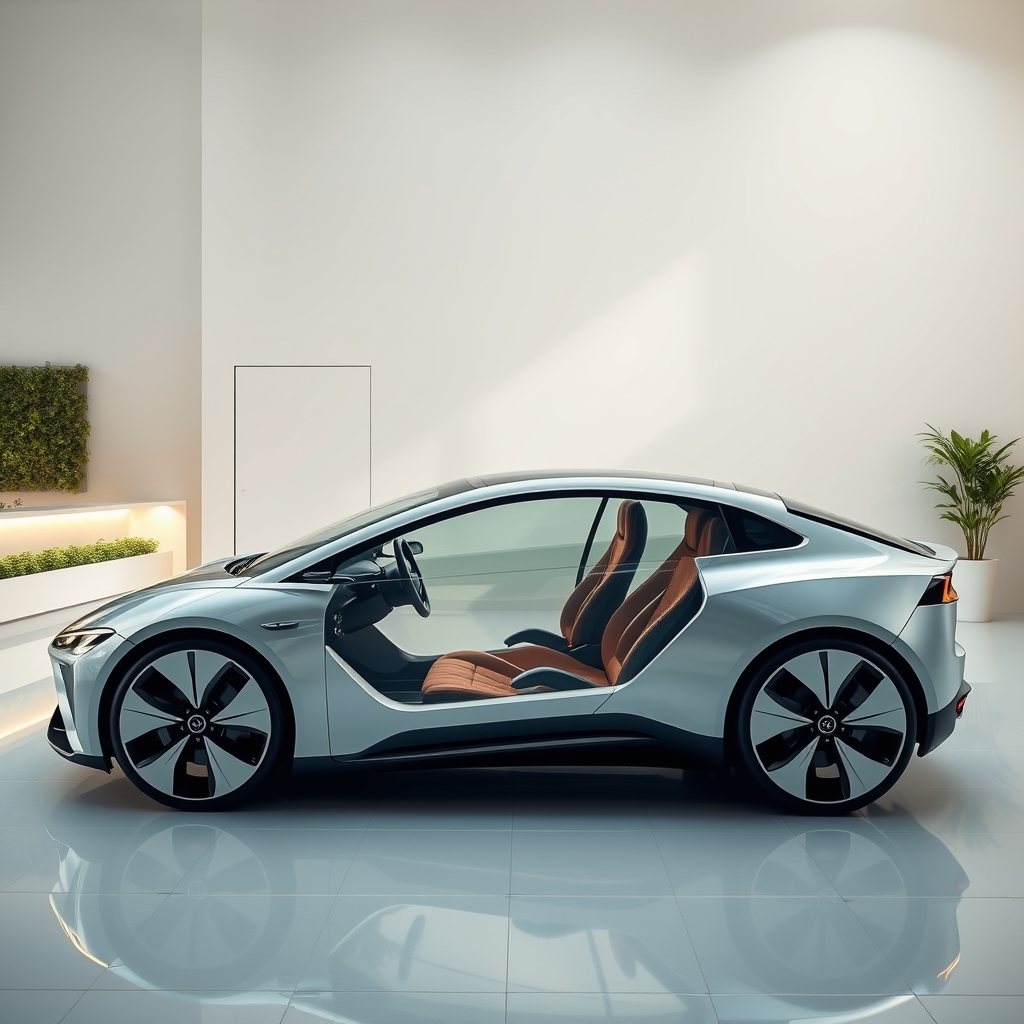
The automotive industry is undergoing a metamorphosis, one where the lines between technology, sustainability, and luxury are not just blurring but dissolving entirely. At the heart of this transformation lies a trio of innovations—carbon fiber chassis, smart glass roofs, and bio-synthetic leather—that are redefining what it means to build a vehicle. These advancements are not merely incremental; they represent a fundamental shift in how we conceive, construct, and experience mobility. Together, they form the invisible threads weaving the fabric of next-generation transportation, where performance, aesthetics, and environmental stewardship coexist in harmony.
The Lightweight Revolution: Carbon Fiber Chassis
Weight has always been the arch-nemesis of automotive performance. The heavier the vehicle, the more energy it requires to move, the more strain it places on components, and the less efficient it becomes. For decades, engineers have sought materials that could reduce weight without compromising strength, and carbon fiber has emerged as the holy grail. Composed of thin, strong crystalline filaments of carbon, this material is not only five times stronger than steel but also significantly lighter, offering a weight reduction of up to 50% compared to traditional materials.
The implications of this are profound. A lighter chassis translates to improved acceleration, handling, and braking, but the benefits extend far beyond performance. Reduced weight means electric vehicles (EVs) can achieve greater range without increasing battery size, addressing one of the most persistent challenges in EV adoption. Moreover, carbon fiber’s resistance to corrosion and fatigue ensures longevity, reducing the need for replacements and minimizing waste. As automakers increasingly adopt modular EV platforms, the integration of carbon fiber allows for greater design flexibility, enabling vehicles that are not only efficient but also aerodynamically optimized for reduced drag and energy consumption.
Beyond Performance: Sustainability in Carbon Fiber Production
While carbon fiber’s advantages are undeniable, its production has historically been energy-intensive and environmentally taxing. The process involves heating polyacrylonitrile (PAN) fibers to extreme temperatures, which consumes significant energy and releases greenhouse gases. However, the industry is evolving. Innovations in manufacturing, such as the use of renewable energy sources and closed-loop recycling systems, are making carbon fiber production more sustainable. Companies are also exploring alternative precursors, like lignin—a byproduct of the paper industry—to reduce reliance on petroleum-based materials. These advancements are crucial, as they ensure that the lightweight revolution does not come at the expense of the planet.
The Sky’s the Limit: Smart Glass Roofs and the Future of In-Cabin Experience
If the chassis is the skeleton of a vehicle, the cabin is its soul. It’s where drivers and passengers spend their time, and as such, it must be a space that is not only comfortable but also dynamic and responsive to their needs. Enter smart glass roofs, a technology that is transforming the in-cabin experience by offering unprecedented control over light, privacy, and even energy efficiency. Unlike traditional sunroofs, smart glass can switch between transparent and opaque states at the touch of a button, eliminating the need for physical shades or blinds.
The technology behind smart glass is as fascinating as its applications. Electrochromic glass, for instance, uses a thin film of conductive material that changes its opacity when an electrical current is applied. This allows the glass to darken or lighten almost instantaneously, adapting to external conditions or user preferences. Some advanced systems even incorporate photovoltaic cells, enabling the glass to generate electricity while regulating sunlight. This not only enhances comfort but also reduces the load on the vehicle’s climate control system, improving energy efficiency.
Personalization and Well-Being
Beyond its functional benefits, smart glass is redefining personalization in vehicles. Imagine a cabin where the roof adjusts its tint based on the time of day, creating a soothing ambiance during a long drive or blocking out harsh sunlight during peak hours. Some systems even integrate with biometric sensors to adjust lighting based on the occupant’s mood or stress levels, creating an environment that is not just reactive but proactive in promoting well-being. As in-cabin intelligence continues to evolve, smart glass will play a pivotal role in bridging the gap between technology and human-centric design, making every journey not just a trip, but an experience.
Luxury Without Compromise: The Rise of Bio-Synthetic Leather
Luxury has long been synonymous with leather, a material prized for its durability, comfort, and timeless appeal. However, traditional leather production is fraught with ethical and environmental concerns, from deforestation and water consumption to the use of toxic chemicals. As consumers become more conscious of these issues, the demand for sustainable alternatives has surged, giving rise to bio-synthetic leather—a material that offers the look and feel of leather without the ecological footprint.
Bio-synthetic leather is typically made from a combination of natural and synthetic materials, such as mushroom mycelium, pineapple leaves, or even recycled plastics. These materials are processed to mimic the texture and durability of animal leather, often with added benefits like water resistance and breathability. For instance, mycelium-based leather, grown in labs from fungal cultures, can be produced in a matter of weeks rather than the years required for traditional leather. This not only reduces resource consumption but also eliminates the need for harmful tanning processes, making it a far more sustainable option.
Redefining Luxury for the Modern Era
The adoption of bio-synthetic leather is not just about sustainability; it’s about redefining what luxury means in the 21st century. Automakers are increasingly recognizing that consumers no longer want to choose between ethics and aesthetics. Brands like Tesla, BMW, and Mercedes-Benz are already incorporating bio-synthetic materials into their interiors, proving that luxury can be both opulent and responsible. Moreover, these materials offer greater design flexibility, allowing for customization in colors, textures, and finishes that would be difficult or impossible to achieve with traditional leather. As the circular material economy gains traction, bio-synthetic leather is poised to become a cornerstone of sustainable automotive design, offering a guilt-free path to indulgence.
The Synergy of Innovation: A Holistic Approach to Mobility
While carbon fiber chassis, smart glass roofs, and bio-synthetic leather each represent significant advancements in their own right, their true potential lies in their synergy. When combined, they create a vehicle that is not just a mode of transportation but a living, breathing ecosystem. A carbon fiber chassis reduces weight, improving efficiency and range; a smart glass roof enhances comfort and energy management; and bio-synthetic leather elevates the cabin experience without compromising ethical values. Together, they exemplify the future of mobility—one where innovation is not pursued in isolation but as part of a holistic vision that prioritizes performance, sustainability, and human experience.
The road ahead is paved with possibilities, and these technologies are just the beginning. As autonomous driving, predictive maintenance AI, and vehicle-to-everything (V2X) communication continue to evolve, the vehicles of tomorrow will be more than just machines—they will be intelligent, adaptive, and deeply integrated into our lives. The invisible threads of innovation are already being woven, and the tapestry they create will redefine not just how we move, but how we live, connect, and thrive in an increasingly complex world. The journey has only just begun, and the destination promises to be nothing short of extraordinary.