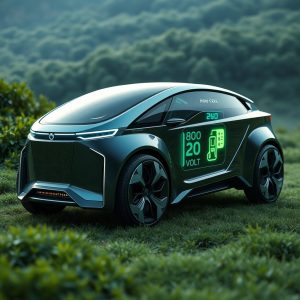
The Invisible Blueprint: How 800 Volt Architecture and Smart Glass Roofs Are Crafting the Next-Gen Electric Vehicle Experience
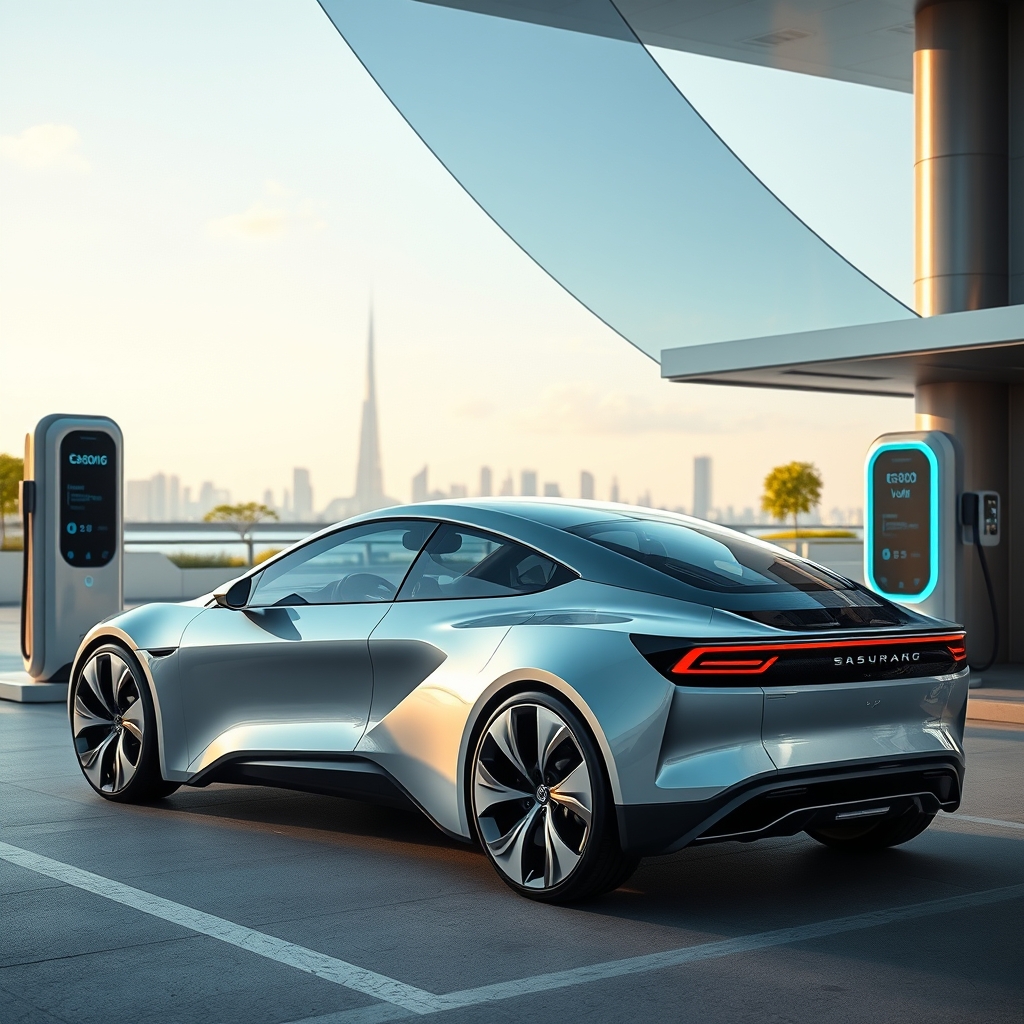
The electric vehicle (EV) revolution is no longer just about replacing the internal combustion engine with a battery. It’s about reimagining the entire driving experience, from the ground up—literally. At the heart of this transformation lies a combination of cutting-edge technologies that are quietly reshaping how we interact with our vehicles. Among these, 800 volt architecture and smart glass roofs stand out as two of the most pivotal innovations, each playing a distinct yet complementary role in crafting the next generation of electric mobility.
The Power Behind the Throne: 800 Volt Architecture
For decades, the automotive industry operated within the confines of 400-volt electrical systems, a standard that sufficed for traditional vehicles but quickly became a bottleneck for EVs. Enter 800 volt architecture, a game-changer that is redefining the boundaries of electric performance. By doubling the voltage, this system dramatically reduces energy loss during transmission, enabling faster charging, greater efficiency, and enhanced power delivery to the drivetrain.
One of the most immediate benefits of 800 volt architecture is its impact on ultra-fast charging. While conventional 400-volt systems can take upwards of 30 minutes to charge an EV to 80%, 800-volt systems slash this time by half—or even more. This isn’t just a matter of convenience; it’s a fundamental shift in how we perceive range anxiety. With charging times rivaling the speed of a traditional fuel stop, EVs become not just viable but preferable for long-distance travel. Moreover, the higher voltage reduces the current required for the same power output, which in turn minimizes heat generation and extends the lifespan of battery components.
But the advantages of 800 volt architecture extend beyond charging. It also enables more efficient regenerative braking systems, allowing vehicles to recover and store energy more effectively during deceleration. This synergy between high-voltage systems and regenerative braking creates a closed-loop energy ecosystem, where every joule of energy is optimized for maximum efficiency. The result? EVs that are not only faster and more responsive but also more sustainable in their energy consumption.
The Sky’s the Limit: Smart Glass Roofs and In-Cabin Intelligence
While 800 volt architecture powers the vehicle from within, smart glass roofs are transforming the driving experience from above. Gone are the days of static sunroofs that merely let in light. Today’s smart glass roofs are dynamic, adaptive, and intelligent, capable of adjusting their tint, opacity, and even thermal properties in real time. This isn’t just about aesthetics; it’s about creating a more comfortable, energy-efficient, and connected cabin environment.
Smart glass technology leverages electrochromic or suspended particle devices to control the amount of light and heat entering the vehicle. On a scorching summer day, the glass can darken automatically to block UV rays and reduce the need for air conditioning, thereby improving energy efficiency. Conversely, on a cloudy day, it can lighten to maximize natural light, reducing the reliance on artificial lighting. Some advanced systems even integrate with in-cabin intelligence to adjust settings based on the driver’s preferences, the time of day, or even their biometric data, such as heart rate or stress levels.
But the innovation doesn’t stop at comfort. Smart glass roofs are also becoming a canvas for augmented reality (AR) displays, projecting navigation cues, weather updates, or even entertainment directly onto the glass. This seamless integration of digital and physical spaces blurs the line between the vehicle and its environment, creating a truly immersive driving experience. When paired with vehicle-to-everything (V2X) communication, these systems can even display real-time traffic data, hazard alerts, or route suggestions, turning the windshield and roof into a dynamic interface for safer, smarter driving.
The Synergy of Efficiency and Intelligence
The true magic happens when 800 volt architecture and smart glass roofs converge. Imagine an EV that not only charges in minutes but also optimizes its energy use in real time, adjusting the cabin environment to minimize power consumption while maximizing comfort. For instance, as the vehicle approaches a charging station, the smart glass could automatically tint to reduce heat buildup, allowing the battery to cool more efficiently during the fast-charging process. Meanwhile, the 800-volt system ensures that the energy stored is used as efficiently as possible, whether it’s powering the drivetrain, the climate control, or the in-cabin entertainment system.
This synergy extends to the broader ecosystem of electric mobility. As modular EV platforms become more prevalent, manufacturers can design vehicles that are not only scalable but also adaptable to emerging technologies. A single platform could support everything from compact city cars to high-performance SUVs, all while integrating 800-volt systems and smart glass roofs. This modularity reduces waste, accelerates innovation, and ensures that vehicles remain future-proof, capable of evolving alongside advancements in battery technology, AI, and connectivity.
Sustainability as a Core Principle
Beyond performance and intelligence, these technologies are also driving the automotive industry toward a more sustainable future. The efficiency gains from 800 volt architecture reduce the overall energy demand of EVs, making them less reliant on the grid and more compatible with renewable energy sources. Meanwhile, smart glass roofs contribute to sustainability by reducing the need for energy-intensive climate control systems, thereby lowering the vehicle’s carbon footprint over its lifecycle.
Moreover, the materials used in these innovations are increasingly aligned with the principles of the circular material economy. Smart glass, for example, can be designed for recyclability, with manufacturers exploring ways to recover and reuse rare earth elements and other materials. Similarly, the shift toward modular platforms encourages the use of carbon fiber chassis and other lightweight, durable materials that can be easily disassembled and repurposed at the end of a vehicle’s life. This holistic approach to sustainability ensures that the benefits of these technologies extend far beyond the road, contributing to a cleaner, more resilient planet.
As we stand on the brink of a new era in mobility, it’s clear that the future of electric vehicles is not just about what’s under the hood—but what’s above, around, and within the cabin. The combination of 800 volt architecture and smart glass roofs represents a paradigm shift in how we design, power, and experience our vehicles. These technologies are not merely incremental improvements; they are the building blocks of a smarter, more sustainable, and more connected world. And as they continue to evolve, they will redefine not just the way we drive, but the very fabric of our relationship with mobility itself.