The Invisible Revolution: How Ultra-Fast Charging, 800 Volt Architecture, and In-Cabin Intelligence Are Crafting the Hyper-Connected EV Ecosystem
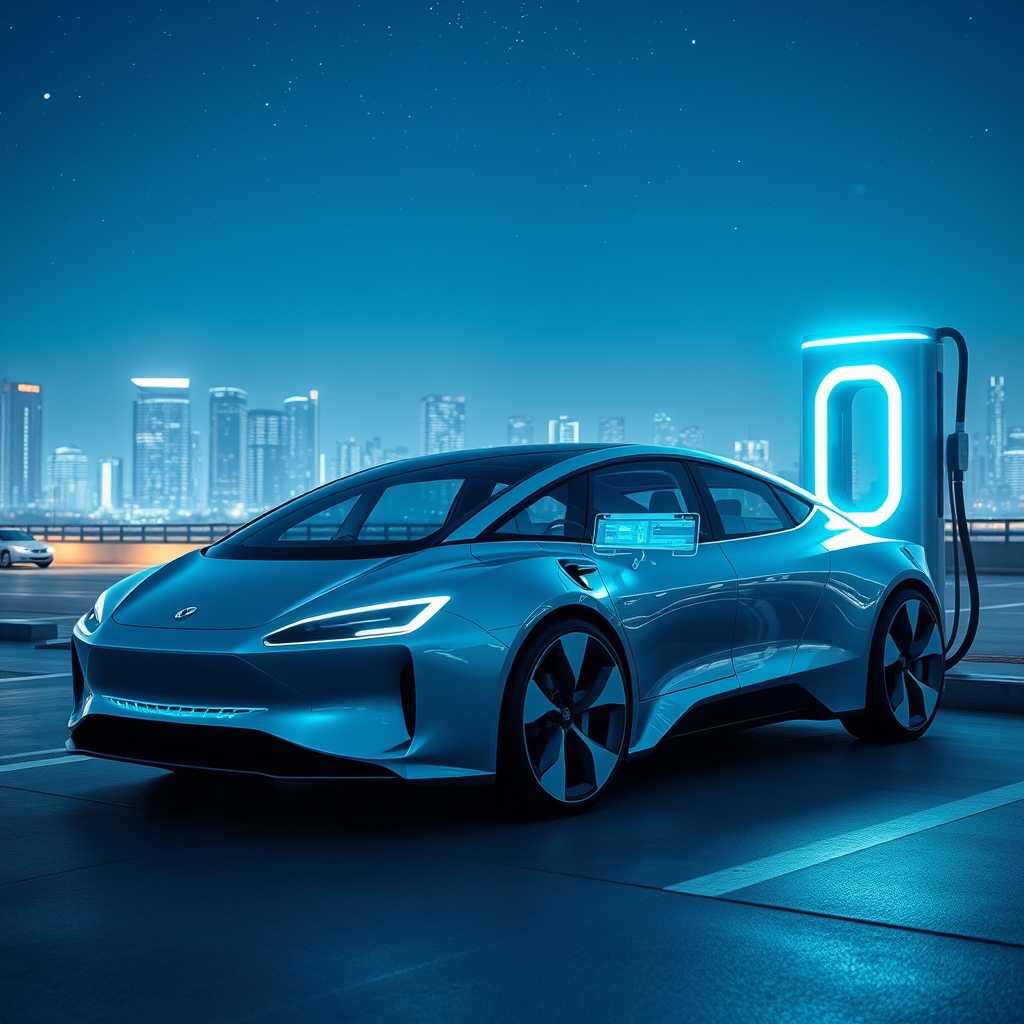
The electric vehicle (EV) revolution is no longer a distant promise—it’s unfolding before our eyes, driven by innovations that seamlessly blend speed, intelligence, and sustainability. At the heart of this transformation lies a trio of technologies: ultra-fast charging, 800-volt architecture, and in-cabin intelligence. Together, they are redefining what it means to drive, own, and interact with a vehicle, turning it from a mere mode of transport into a dynamic, hyper-connected node in a larger digital ecosystem.
The Need for Speed: Ultra-Fast Charging Redefines Convenience
One of the most persistent barriers to EV adoption has been charging time. While traditional internal combustion engine vehicles can be refueled in minutes, early EVs often required hours to recharge, creating a psychological hurdle for potential buyers. Ultra-fast charging is shattering that barrier. With the ability to deliver up to 350 kW of power, these chargers can replenish an EV’s battery from 10% to 80% in as little as 15 minutes—comparable to the time it takes to grab a coffee and stretch your legs during a road trip.
But ultra-fast charging is more than just a convenience; it’s a game-changer for long-distance travel and urban mobility. High-power charging networks, like those being deployed by Tesla, Ionity, and Electrify America, are turning highways into electrified corridors, making cross-country EV travel not just possible but practical. Meanwhile, in cities, ultra-fast charging hubs are emerging as the new gas stations, integrated into shopping centers, workplaces, and even residential complexes, ensuring that EV owners are never far from a quick top-up.
The Backbone of Efficiency: 800-Volt Architecture
Ultra-fast charging wouldn’t be possible without the foundation of 800-volt architecture. Traditional 400-volt systems, while sufficient for slower charging, struggle to handle the immense power demands of ultra-fast charging without excessive heat generation and energy loss. The shift to 800 volts addresses these challenges by reducing current flow, which in turn minimizes resistive losses and thermal stress on components.
Beyond enabling faster charging, 800-volt architecture enhances overall vehicle efficiency. By reducing the weight of wiring and improving power delivery, it allows for lighter, more aerodynamic designs and extends driving range. Automakers like Porsche, Hyundai, and Lucid have already embraced this technology, with the Porsche Taycan and Hyundai IONIQ 5 showcasing its potential. As battery technology continues to evolve, 800-volt systems will become the standard, paving the way for even faster charging and longer ranges.
Thermal Management: The Unsung Hero
With great power comes great responsibility—especially when it comes to managing heat. Ultra-fast charging and 800-volt systems generate significant thermal loads, which, if not properly managed, can degrade battery performance and longevity. Advanced thermal management systems, including liquid cooling and phase-change materials, are critical to maintaining optimal operating temperatures. These systems not only protect the battery but also ensure consistent performance, regardless of external conditions. As charging speeds increase, so too will the sophistication of thermal management, ensuring that EVs remain reliable and efficient for years to come.
The Brain of the Operation: In-Cabin Intelligence
While ultra-fast charging and 800-volt architecture address the physical demands of EV ownership, in-cabin intelligence is transforming the driving experience itself. Modern EVs are no longer just vehicles; they are rolling supercomputers, equipped with advanced AI, machine learning, and connectivity features that anticipate and adapt to the driver’s needs.
In-cabin intelligence manifests in several ways. Voice assistants, like those powered by Amazon Alexa or Google Assistant, allow drivers to control navigation, climate, and entertainment systems without taking their hands off the wheel. AI-driven personalization learns the driver’s preferences, adjusting seat positions, ambient lighting, and even suspension settings automatically. Meanwhile, over-the-air (OTA) updates ensure that the vehicle’s software is always up to date, introducing new features and improvements without the need for a dealership visit.
The Rise of Predictive and Proactive Features
Perhaps the most exciting aspect of in-cabin intelligence is its ability to predict and proactively address the driver’s needs. For example, AI can analyze driving patterns to suggest optimal charging times, taking into account electricity rates and the driver’s schedule. It can also monitor the vehicle’s health in real time, alerting the driver to potential issues before they become serious problems. In the event of an accident, in-cabin intelligence can automatically contact emergency services, providing them with the vehicle’s location and critical data.
Moreover, in-cabin intelligence extends beyond the vehicle itself. Integration with smart home ecosystems allows drivers to control their home’s lighting, security systems, and appliances from the car. Conversely, the vehicle can communicate with the home, pre-conditioning the cabin temperature or charging the battery based on the driver’s expected departure time. This seamless connectivity blurs the line between the car and the broader digital ecosystem, creating a truly integrated experience.
The Synergy of Speed, Power, and Intelligence
The true magic of this technological trio lies in their synergy. Ultra-fast charging and 800-volt architecture provide the physical infrastructure needed for rapid, efficient energy transfer, while in-cabin intelligence ensures that the vehicle is always operating at peak performance. Together, they create a feedback loop where the car not only responds to the driver’s needs but anticipates them, making every journey smoother, safer, and more enjoyable.
Consider a scenario where an EV owner is planning a long road trip. The vehicle’s AI analyzes the route, identifying optimal charging stops based on traffic, weather, and charger availability. As the driver approaches a charging station, the car communicates with the charger to initiate the session automatically, ensuring a seamless experience. Meanwhile, the 800-volt architecture ensures that the battery is charged quickly and efficiently, minimizing downtime. Inside the cabin, the AI adjusts the climate, plays the driver’s favorite music, and even suggests nearby restaurants or attractions, turning a mundane pit stop into a personalized experience.
The Road Ahead: A Hyper-Connected Ecosystem
The convergence of ultra-fast charging, 800-volt architecture, and in-cabin intelligence is just the beginning. As these technologies mature, they will form the backbone of a hyper-connected mobility ecosystem, where vehicles, infrastructure, and digital services interact seamlessly. Vehicle-to-everything (V2X) communication will enable cars to talk to traffic lights, road sensors, and other vehicles, optimizing traffic flow and reducing congestion. Bidirectional charging will allow EVs to feed energy back into the grid, turning them into mobile power sources that can support renewable energy integration.
In this future, the EV is no longer an isolated entity but a node in a vast, intelligent network. It’s a future where mobility is not just about getting from point A to point B but about creating a dynamic, responsive, and sustainable ecosystem that enhances every aspect of our lives. The road ahead is electrified, intelligent, and full of possibility, and it’s arriving faster than we ever imagined. The vehicles of tomorrow are not just being built—they’re being coded, charged, and connected, one innovation at a time, crafting a world where the journey is as remarkable as the destination.