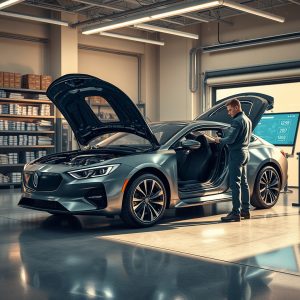
The Future of Driving: How Predictive Vehicle Maintenance is Revolutionizing Car Care
The hum of a well-tuned engine is like the heartbeat of a living organism—steady, powerful, and full of promise. Yet, for too long, car care has been a reactive game, a waiting game where drivers cross their fingers and hope that the next strange noise or warning light isn’t the harbinger of an expensive disaster. But what if the future of automotive servicing wasn’t about waiting for problems to arise? What if, instead, your car could whisper its needs to you before they became screams? Welcome to the era of predictive vehicle maintenance, where data, technology, and a deep understanding of your car’s unique personality come together to redefine what it means to care for your vehicle.
The Dawn of Data-Driven Automotive Servicing
Gone are the days when car maintenance was a one-size-fits-all affair, dictated by rigid schedules printed in owner’s manuals. Today, data-driven automotive servicing is transforming the way we approach vehicle care, turning every drive into an opportunity to gather insights. Modern cars are equipped with an array of sensors and onboard diagnostics that monitor everything from engine performance to brake wear, tire pressure, and even the health of your battery. This data isn’t just a stream of numbers—it’s a conversation between you and your car, a dialogue that grows richer with every mile.
Imagine pulling into your driveway after a long road trip, only to receive a notification on your phone: “Your brake pads have 15% life remaining. Schedule a service appointment within the next 500 miles to avoid potential damage.” This isn’t science fiction; it’s the reality of real-time vehicle monitoring, a game-changer for drivers who want to stay ahead of the curve. By leveraging this data, service centers can move from a reactive model to a proactive one, addressing issues before they escalate into costly repairs. It’s not just about fixing problems—it’s about preventing them.
Personalized Maintenance Schedules: Because No Two Cars Are Alike
Your car is as unique as you are. The way you drive—whether it’s the stop-and-go traffic of city streets or the open highways of a cross-country adventure—shapes its wear and tear in ways that generic maintenance schedules can’t account for. That’s where personalized maintenance schedules come into play. By analyzing your driving habits, environmental conditions, and the specific quirks of your vehicle, these schedules tailor service intervals to fit your car’s actual needs, not just industry averages.
Take, for example, a driver who spends most of their time navigating urban jungles. Their car’s brakes and transmission might wear faster than someone who primarily drives on highways. A personalized schedule would account for this, recommending more frequent brake inspections and fluid changes. On the other hand, a highway driver might need more attention to their tires and suspension, given the constant stress of high-speed travel. This level of customization doesn’t just extend the life of your car—it ensures that every dollar you spend on maintenance is an investment in its longevity, not just a Band-Aid for a problem that’s already arisen.
The Power of Smart Vehicle Diagnostics
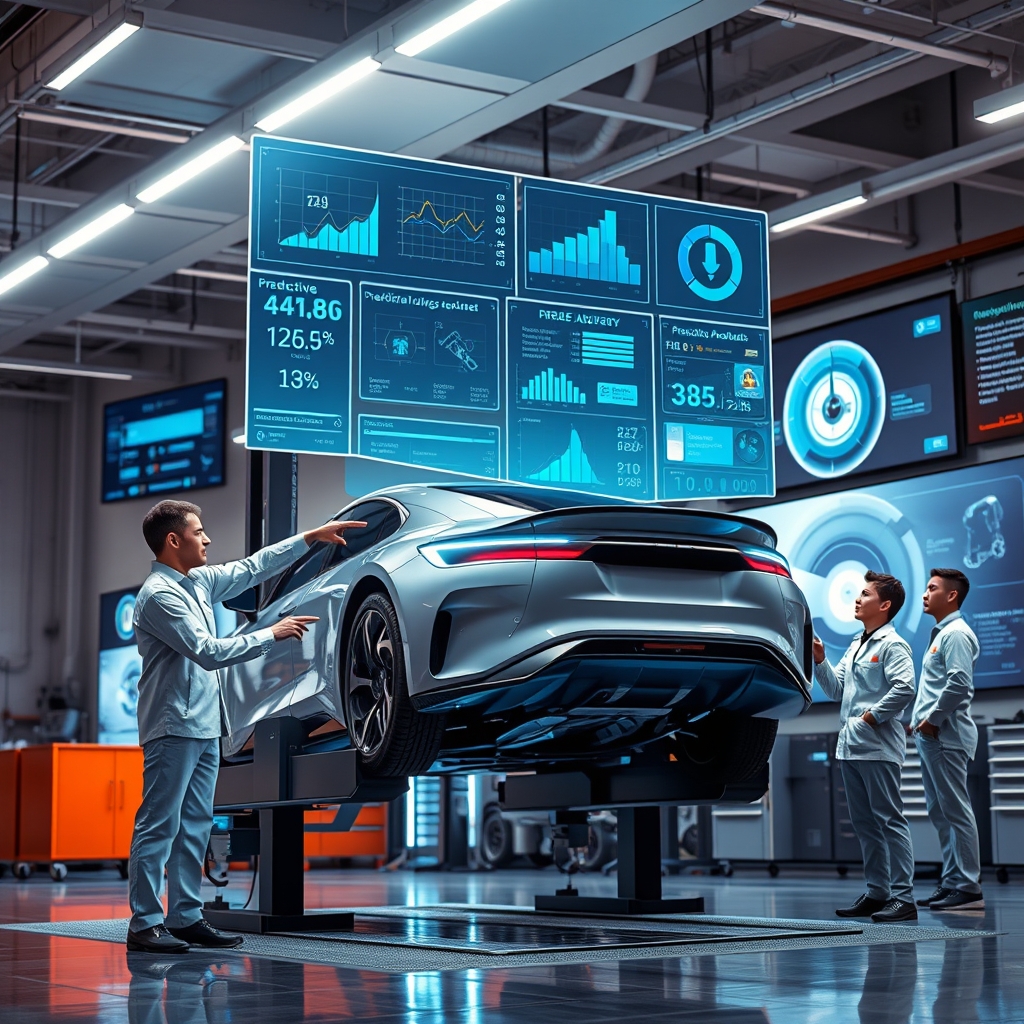
At the heart of predictive maintenance lies smart vehicle diagnostics, a technology that turns your car into a self-aware machine. These systems don’t just detect problems; they predict them by analyzing patterns in your vehicle’s performance. For instance, if your engine’s temperature starts creeping up slightly over time, smart diagnostics can flag this as an early warning sign of a cooling system issue, long before your temperature gauge hits the red zone. Similarly, subtle changes in fuel efficiency might indicate a clogged air filter or a failing oxygen sensor, issues that can be addressed before they impact your car’s performance or your wallet.
But smart diagnostics aren’t just about identifying problems—they’re about empowering drivers. With interactive diagnostic sessions, you can connect your car to a service center’s system and get a real-time analysis of its health. No more guessing games, no more crossing your fingers and hoping for the best. Instead, you get a clear, transparent view of what’s happening under the hood, along with actionable recommendations. It’s like having a mechanic in the passenger seat, guiding you every step of the way.
Transparent Repair Processes: Building Trust Through Technology
Let’s be honest—car repairs have a reputation for being shrouded in mystery. Too often, drivers feel like they’re at the mercy of mechanics, handed a bill for services they don’t fully understand. But transparent repair processes are changing the game, using technology to demystify automotive servicing and build trust between drivers and service centers. With digital tools like digital maintenance logs and real-time updates, you can track every step of your car’s service journey, from the initial diagnosis to the final inspection.
Imagine dropping off your car for an oil change and receiving a notification when the technician begins the service. A few minutes later, another alert pops up: “Your air filter has been inspected and is due for replacement. Would you like us to proceed?” You approve the additional service, and within the hour, you’re back on the road, armed with a detailed report of what was done and why. This level of transparency doesn’t just put you in control—it transforms the entire repair experience into something customer-centric and value-driven. No more surprises, no more second-guessing. Just clear, honest communication every step of the way.
Proactive Fleet Maintenance: Keeping Businesses on the Move
For businesses that rely on fleets of vehicles, downtime isn’t just an inconvenience—it’s a financial drain. That’s why proactive fleet maintenance is becoming a cornerstone of modern logistics and transportation. By leveraging predictive maintenance technologies, fleet managers can monitor the health of every vehicle in real time, scheduling service appointments during off-peak hours to minimize disruptions. This approach doesn’t just reduce the risk of breakdowns—it optimizes the entire automotive workflow, ensuring that every vehicle is operating at peak efficiency.
Consider a delivery company with a fleet of vans. With real-time monitoring, the fleet manager can identify which vehicles are due for maintenance and rotate them out of service before a problem arises. This not only keeps the fleet running smoothly but also extends the lifespan of each vehicle, reducing long-term costs. It’s a win-win for businesses and customers alike, ensuring that deliveries arrive on time and vehicles stay on the road where they belong.
The Human Touch in a Digital World
As much as technology is transforming car care, there’s one element that no algorithm can replace: the human touch. Experiential car care is about more than just fixing problems—it’s about creating a connection between drivers and their vehicles. It’s the feeling of walking into a service center and being greeted by name, of having a technician take the time to explain what’s happening under the hood in a way that makes sense. It’s about preventive maintenance education, where drivers are empowered with the knowledge they need to take better care of their cars, not just handed a bill and sent on their way.
This human-centric approach is what sets apart the best service centers from the rest. It’s about recognizing that behind every car is a person—someone who relies on their vehicle for work, for family, for adventure. By combining cutting-edge technology with a deep commitment to customer care, these centers are redefining what it means to service a car. They’re not just fixing machines; they’re nurturing relationships, one oil change, one diagnostic session, one transparent repair at a time.
In a world where technology often feels cold and impersonal, the future of car care is proving that it doesn’t have to be. By embracing predictive maintenance, personalized schedules, and transparent processes, we’re not just extending the life of our vehicles—we’re transforming the way we think about them. Cars are no longer just tools; they’re partners in our daily lives, deserving of the same care, attention, and foresight we give to our own well-being. And as we continue to push the boundaries of what’s possible, one thing is clear: the road ahead is brighter, smoother, and more reliable than ever before.