
The Invisible Dance: How Autonomous Driving and Hydrogen Fuel Cells Are Choreographing the Future of Mobility
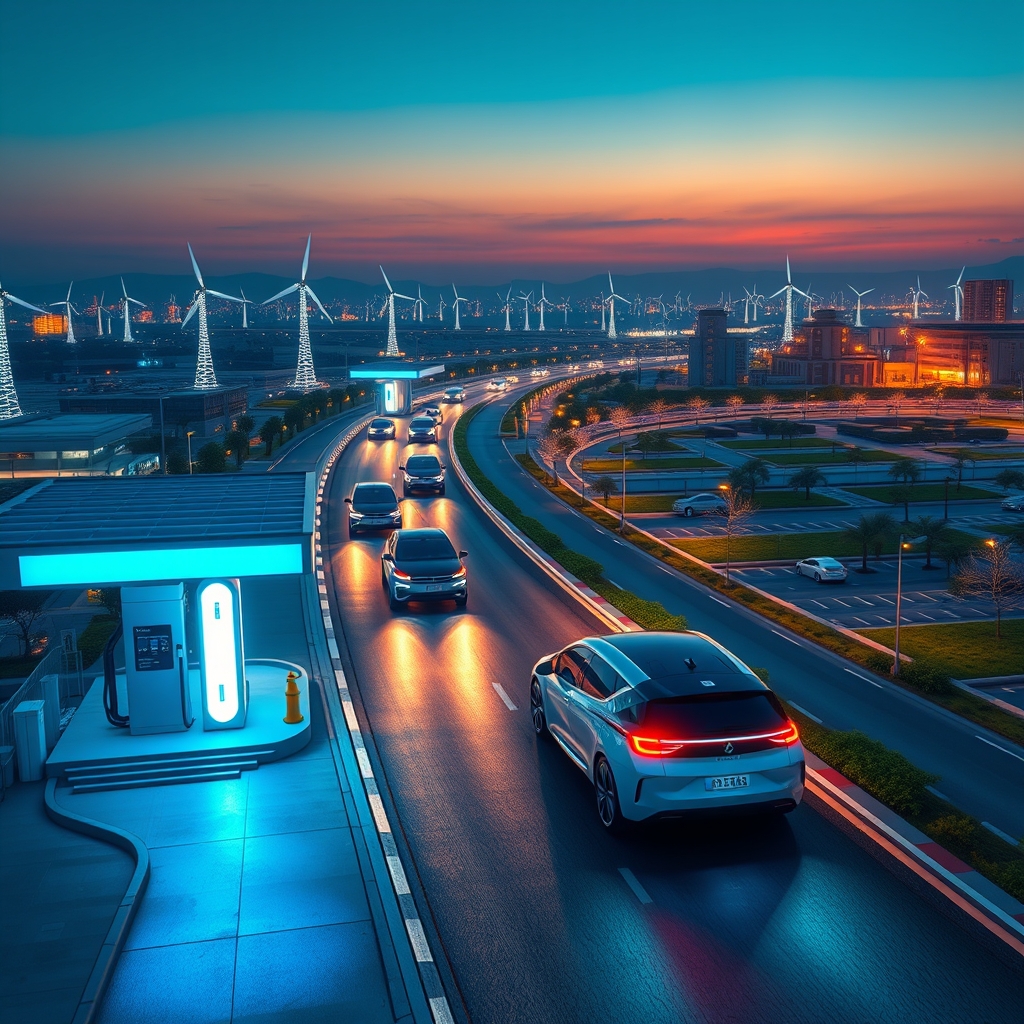
The automotive industry is undergoing a metamorphosis, one where the lines between science fiction and reality blur with each passing day. At the heart of this transformation lies a duo of technologies that promise not just to redefine mobility but to reshape the very fabric of our urban landscapes. Autonomous driving and hydrogen fuel cells are no longer mere concepts confined to research labs; they are the dynamic forces propelling us toward a future where vehicles are not just modes of transport but intelligent, eco-conscious companions.
The Autonomous Revolution: More Than Just Self-Driving Cars
Autonomous driving has long been heralded as the next big leap in automotive technology, but its implications stretch far beyond the convenience of hands-free commutes. At its core, autonomy is about reimagining the relationship between humans and machines. Level 4 and Level 5 autonomous vehicles, which require no human intervention in most or all driving scenarios, are poised to revolutionize everything from ride-sharing services to logistics and urban planning.
Imagine a city where traffic flows seamlessly, accidents are a rarity, and parking lots are reclaimed as green spaces. Autonomous vehicles, equipped with advanced sensors, LiDAR, and AI-driven decision-making algorithms, can communicate with each other in real-time, optimizing routes, reducing congestion, and minimizing emissions. This is not just a vision of efficiency but a blueprint for sustainability. By eliminating human error—the leading cause of accidents—autonomous driving could save millions of lives while drastically reducing the environmental footprint of transportation.
Yet, the true potential of autonomy lies in its synergy with other emerging technologies. For instance, when paired with Vehicle-to-Everything (V2X) communication, autonomous vehicles can interact with traffic lights, road infrastructure, and even pedestrians, creating a harmonized ecosystem where every element of urban mobility is interconnected. This level of integration doesn’t just enhance safety; it paves the way for smarter cities where energy use, traffic patterns, and public services are optimized in real-time.
Hydrogen Fuel Cells: The Silent Powerhouse of Zero-Emission Mobility
While electric vehicles (EVs) powered by lithium-ion batteries have dominated the conversation around sustainable mobility, hydrogen fuel cells are emerging as a compelling alternative, particularly for long-haul transportation and heavy-duty applications. Unlike batteries, which store energy, fuel cells generate electricity through a chemical reaction between hydrogen and oxygen, emitting only water vapor as a byproduct. This makes them a zero-emission solution with a critical advantage: refueling takes minutes, not hours, and hydrogen-powered vehicles can travel hundreds of miles on a single tank.
The environmental benefits of hydrogen fuel cells are undeniable, but their true promise lies in their scalability. Hydrogen can be produced using renewable energy sources like wind and solar, creating a closed-loop system where the fuel itself is as sustainable as the vehicles it powers. Moreover, advancements in liquid hydrogen storage are addressing one of the biggest challenges in hydrogen adoption: storage and transportation. By cooling hydrogen to -253°C, it can be stored at higher densities, making it feasible for everything from passenger cars to commercial trucks and even aviation.
Yet, hydrogen’s potential extends beyond individual vehicles. When integrated with bidirectional charging and smart grid technologies, hydrogen fuel cells can serve as mobile power stations, supplying electricity back to the grid during peak demand or emergencies. This creates a dynamic energy ecosystem where vehicles are not just consumers of energy but active participants in its distribution, further enhancing the resilience and sustainability of our energy infrastructure.
The Synergy of Autonomy and Hydrogen: A Match Made in Mobility Heaven
The convergence of autonomous driving and hydrogen fuel cells is where the future of mobility truly begins to take shape. Autonomous hydrogen-powered vehicles could revolutionize industries like logistics and public transportation, where efficiency, range, and sustainability are paramount. For example, autonomous hydrogen fuel cell trucks could operate around the clock, delivering goods across continents without the need for lengthy charging stops or the emissions associated with diesel engines. Similarly, autonomous hydrogen-powered buses could provide clean, efficient public transportation in cities, reducing congestion and improving air quality.
This synergy also opens the door to new business models and services. Autonomous ride-sharing fleets powered by hydrogen could offer on-demand, zero-emission transportation, reducing the need for private car ownership and freeing up urban space for parks, bike lanes, and pedestrian zones. Meanwhile, hydrogen refueling stations could double as energy hubs, supporting not just vehicles but entire communities with clean, reliable power.
Overcoming the Challenges: Infrastructure, Cost, and Public Perception
Despite their immense potential, the widespread adoption of autonomous driving and hydrogen fuel cells faces significant hurdles. For autonomous vehicles, regulatory frameworks, cybersecurity concerns, and public trust remain critical challenges. Governments and industry leaders must work together to establish standardized safety protocols, ensure data privacy, and educate the public about the benefits and limitations of autonomous technology.
Hydrogen, on the other hand, grapples with infrastructure and cost barriers. While the technology itself is mature, the lack of refueling stations and the high cost of hydrogen production and storage have slowed its adoption. However, investments in renewable hydrogen production and the development of liquid hydrogen storage solutions are gradually addressing these challenges. Countries like Japan, Germany, and South Korea are leading the way, with ambitious plans to expand their hydrogen infrastructure and integrate fuel cells into their energy and transportation systems.
The Road Ahead: A Future Defined by Collaboration and Innovation
The journey toward a future dominated by autonomous hydrogen-powered vehicles is not a solo endeavor. It requires collaboration between automakers, energy providers, policymakers, and technology companies. Automakers like Toyota, Hyundai, and BMW are already investing heavily in hydrogen fuel cell technology, while companies like Waymo, Cruise, and Tesla are pushing the boundaries of autonomous driving. Meanwhile, governments are beginning to recognize the importance of hydrogen in achieving their climate goals, with initiatives like the European Union’s Hydrogen Strategy and the U.S. Department of Energy’s H2@Scale program providing critical funding and support.
As these technologies mature, they will not only transform the way we move but also how we think about energy, sustainability, and urban living. The fusion of autonomy and hydrogen is more than just a technological evolution; it is a paradigm shift toward a future where mobility is clean, intelligent, and seamlessly integrated into the fabric of our daily lives. The road ahead is paved with challenges, but the destination—a world where vehicles are not just tools but partners in creating a sustainable and connected future—is well worth the journey.
The dance between autonomous driving and hydrogen fuel cells is just beginning, and as the music plays on, it’s clear that the steps we take today will define the rhythm of mobility for generations to come. The stage is set, the partners are ready, and the future is waiting to unfold in a symphony of innovation and sustainability.