The Vehicle as a Node: Unlocking a Sustainable and Intelligent Future
The automotive industry is in the midst of a profound transformation, moving far beyond mere personal transport. Today’s vehicles are evolving into sophisticated, intelligent nodes within a larger ecosystem, blurring the lines between transportation, energy, and urban infrastructure. This shift is not just about electrification; it’s about integrating vehicles into a comprehensive network that promises unprecedented efficiency, sustainability, and convenience. The future of mobility isn’t just about how we move, but how our vehicles interact with the world around them, becoming active participants in a smarter, more sustainable planet.
From Commuter to Contributor: The Power of Vehicle-to-Everything (V2X) and Bidirectional Charging
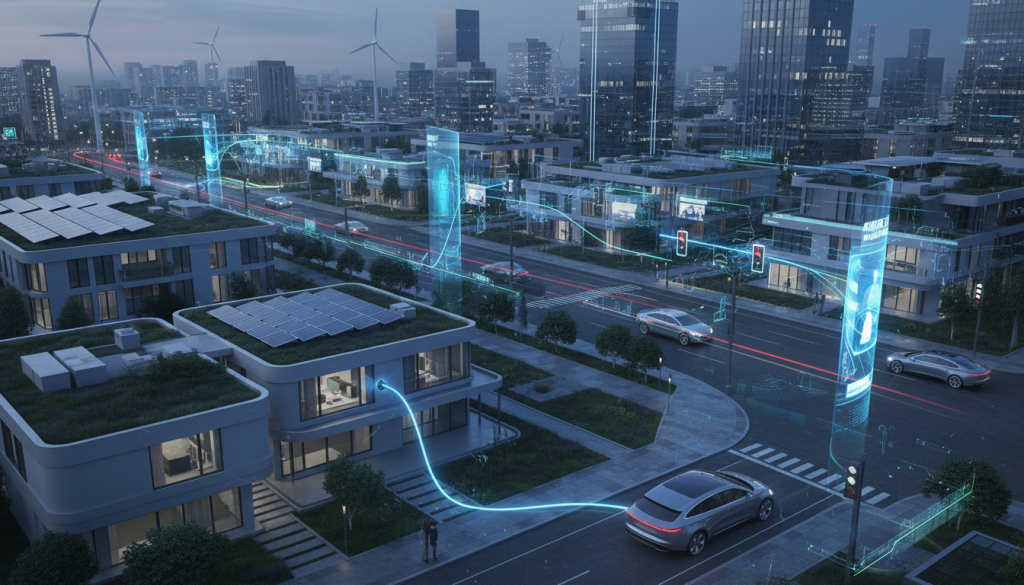
One of the most revolutionary concepts reshaping the automotive landscape is Vehicle-to-Everything (V2X) communication, coupled with bidirectional charging. V2X technology enables vehicles to communicate with other vehicles (V2V), infrastructure (V2I), pedestrians (V2P), and even the grid itself (V2G). This constant exchange of data creates a dynamic, responsive environment, enhancing safety by predicting hazards and optimizing traffic flow. Imagine your car receiving real-time updates on traffic congestion or road conditions from other vehicles, allowing it to reroute automatically, or communicating with traffic lights to ensure a smoother, greener journey.
Bidirectional charging takes this integration a step further, transforming electric vehicles (EVs) from simple consumers of electricity into mobile power banks. With bidirectional capabilities, an EV can not only draw power from the grid but also feed electricity back into it, or even power your home (Vehicle-to-Home, V2H) during an outage. This capability is a game-changer for grid stability, allowing EVs to store surplus renewable energy – like solar or wind – and release it during peak demand. It turns the entire EV fleet into a distributed energy storage system, offering a robust solution for managing intermittent renewable energy sources and contributing to a more resilient power infrastructure. This isn’t just about convenience; it’s about empowering consumers to participate actively in the energy market and fostering a truly sustainable energy ecosystem.
The Invisible Guardian: Predictive Maintenance AI
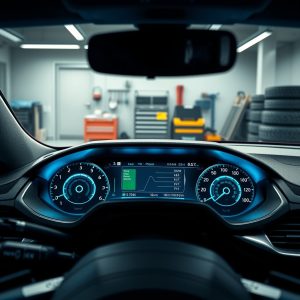
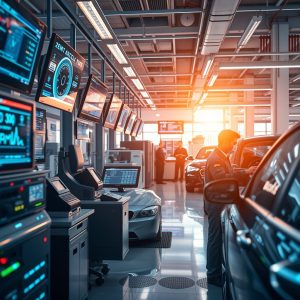
Ensuring the longevity and optimal performance of these complex machines is paramount, and this is where Predictive Maintenance AI steps in. Instead of relying on fixed service intervals or reacting to failures, AI-powered systems continuously monitor a vehicle’s health in real-time. Sensors collect vast amounts of data on everything from battery degradation and motor performance to tire wear and brake efficiency. Machine learning algorithms then analyze this data to identify subtle anomalies and predict potential issues before they escalate. This proactive approach minimizes downtime, reduces repair costs, and significantly extends the lifespan of components, contributing to overall resource efficiency. For fleet operators, it means optimized operational schedules and reduced total cost of ownership. For individual owners, it offers peace of mind, knowing their vehicle is always performing at its best and potential problems are addressed long before they become critical.
Building Blocks for a Sustainable Future: Modular EV Platforms
The foundation upon which these intelligent vehicles are built is equally critical. Modular EV Platforms are transforming vehicle manufacturing by allowing automakers to use standardized components and architectures across a wide range of models. This approach not only streamlines production and reduces development costs but also offers significant sustainability benefits. By designing platforms that can accommodate different body styles, battery sizes, and motor configurations, manufacturers can achieve greater economies of scale and simplify maintenance. More importantly, modularity facilitates easier upgrades and repairs, supporting a longer vehicle lifecycle. Imagine being able to replace a battery module with a newer, more efficient one, or even reconfigure a vehicle for a different purpose, without having to replace the entire car. This flexibility is key to reducing waste and promoting a more circular material economy within the automotive sector.
Beyond the Assembly Line: Sustainable Supply Chains and the Circular Material Economy
The journey towards truly sustainable mobility extends far beyond the vehicle itself, encompassing the entire lifecycle of its components. Sustainable Supply Chains are becoming non-negotiable, demanding transparency and ethical practices from raw material extraction to manufacturing and distribution. This involves auditing suppliers for environmental impact, labor practices, and resource management. The goal is to minimize carbon footprint, reduce pollution, and ensure fair working conditions throughout the entire production process.
Hand-in-hand with this is the principle of the Circular Material Economy. Instead of the traditional linear “take-make-dispose” model, a circular economy aims to keep resources in use for as long as possible. For the automotive industry, this means designing components for durability, repairability, and ultimately, recyclability. It involves investing in advanced recycling technologies to recover valuable materials like lithium, cobalt, and rare earth elements from end-of-life batteries and vehicles. Furthermore, the use of innovative materials like Bio Synthetic Leather or recycled plastics significantly reduces reliance on virgin resources. This holistic approach minimizes waste, conserves natural resources, and drastically lowers the environmental impact of vehicle production and disposal, creating a virtuous cycle of resource management.
The convergence of these innovations paints a compelling picture of future mobility: vehicles that are not just modes of transport but integral parts of an intelligent, interconnected, and sustainable global ecosystem. From their ability to contribute to grid stability through bidirectional charging to their construction from ethically sourced, recycled materials on modular platforms, and their self-optimizing performance driven by AI, the automobile is being redefined. This evolving paradigm promises not only a greener footprint but also a more resilient infrastructure and a higher quality of life, where every journey contributes to a larger, positive impact on our shared future.