The Future of Mobility: How Next-Gen Technologies Are Redefining Sustainable Transportation
The automotive industry is undergoing a seismic shift, driven by innovations that promise not only to redefine how we move but also to reshape our environmental footprint. From the roads beneath our wheels to the skies above, emerging technologies are paving the way for a future where transportation is smarter, cleaner, and more efficient than ever before. At the heart of this transformation lies a convergence of breakthroughs in energy, materials, and intelligence, each playing a pivotal role in steering us toward a sustainable mobility ecosystem.
The Power Behind the Wheel: Energy Revolution
One of the most critical challenges in sustainable transportation is energy storage and delivery. Traditional lithium-ion batteries, while effective, are being rapidly outpaced by next-generation solutions like solid-state batteries and hydrogen fuel cells. Solid-state batteries, with their higher energy density and improved safety, are poised to extend electric vehicle (EV) ranges beyond 600 miles on a single charge while significantly reducing charging times. Meanwhile, hydrogen fuel cells offer a compelling alternative, particularly for heavy-duty and long-haul applications, where their ability to refuel in minutes and emit only water vapor makes them a game-changer.
Complementing these advancements is the rise of 800-volt architecture, a technological leap that enables ultra-fast charging and enhances overall vehicle efficiency. By doubling the voltage of conventional systems, this architecture reduces energy loss during transmission, allowing EVs to charge from 10% to 80% in under 15 minutes. This not only addresses range anxiety but also makes electric mobility more accessible and practical for everyday use.
Intelligent Infrastructure: The Backbone of Tomorrow’s Roads
The future of mobility isn’t just about the vehicles themselves—it’s about the ecosystems they operate within. Vehicle-to-Everything (V2X) communication is emerging as a cornerstone of this ecosystem, enabling cars to interact with traffic lights, road sensors, and even other vehicles in real time. This technology enhances safety, reduces congestion, and optimizes energy consumption by allowing vehicles to anticipate and respond to dynamic road conditions. Imagine a world where your car adjusts its speed automatically to avoid idling at red lights or reroutes itself to avoid traffic jams, all while minimizing energy waste.
Another groundbreaking innovation is bidirectional charging, which transforms EVs into mobile energy storage units. This technology allows vehicles to not only draw power from the grid but also feed it back, turning them into decentralized energy resources. During peak demand, EVs can supply electricity to homes or the grid, creating a more resilient and sustainable energy network. This symbiotic relationship between transportation and energy infrastructure is a key step toward a circular economy, where resources are reused, repurposed, and recycled.
Materials Matter: Building a Circular Future
The shift toward sustainability extends beyond energy to the very materials that make up our vehicles. The circular material economy is gaining traction, with automakers increasingly adopting recycled, bio-based, and lightweight materials. Carbon fiber chassis, for instance, offer unparalleled strength-to-weight ratios, improving vehicle efficiency without compromising safety. Similarly, bio-synthetic leather and other plant-based alternatives are replacing traditional materials, reducing reliance on fossil fuels and minimizing environmental impact.
Modularity is another key trend, with modular EV platforms allowing manufacturers to design vehicles that are easier to repair, upgrade, and recycle. This approach not only extends the lifespan of vehicles but also reduces waste, aligning with the principles of a circular economy. By designing for disassembly and reuse, automakers can create a closed-loop system where materials are continuously repurposed, reducing the need for virgin resources.
Efficiency in Motion: Aerodynamics and Beyond
Energy efficiency is a multifaceted challenge, and aerodynamic efficiency
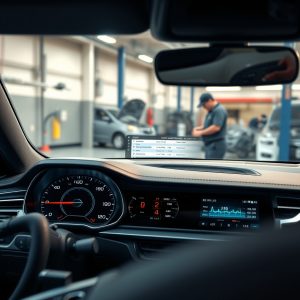
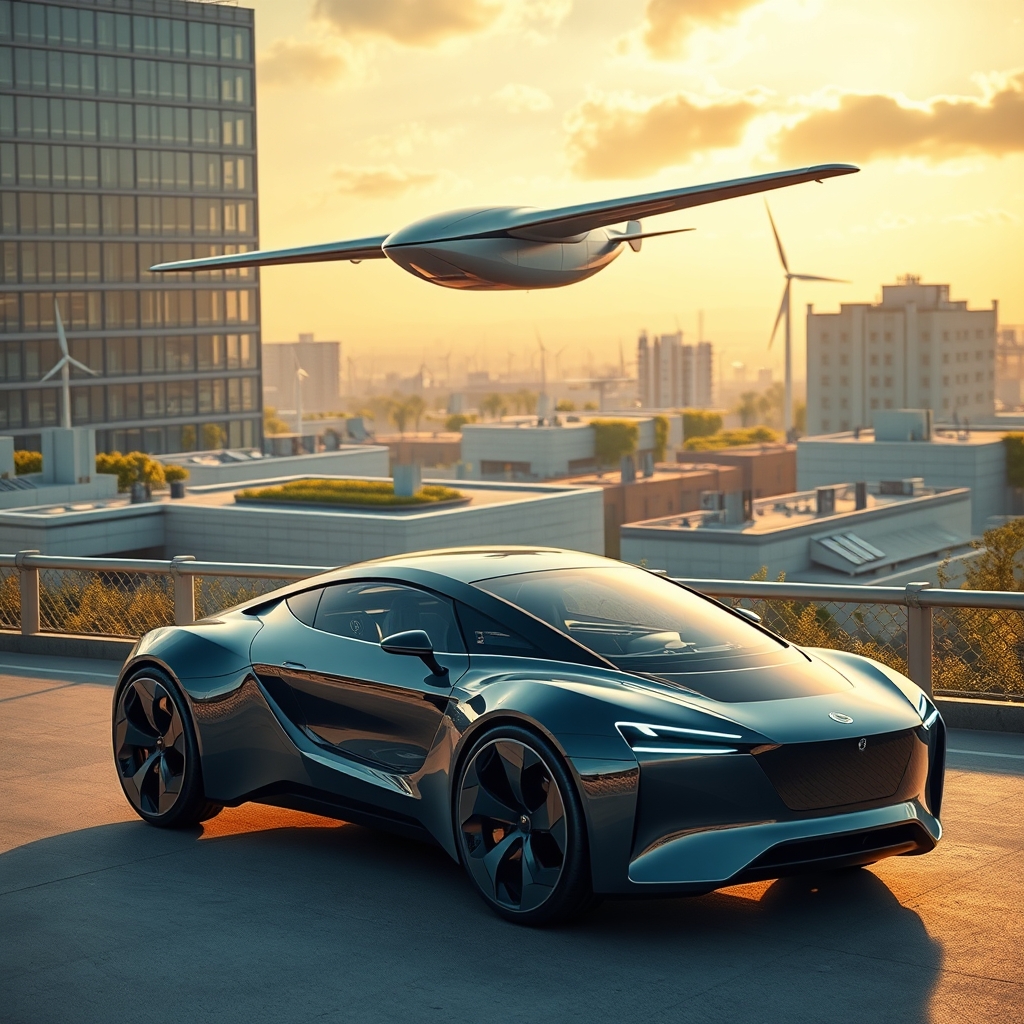
plays a crucial role in reducing drag and improving range. Advanced computational fluid dynamics (CFD) and wind tunnel testing are enabling designers to create sleeker, more streamlined vehicles that cut through the air with minimal resistance. Features like active grille shutters, underbody panels, and even morphing body panels are becoming standard, further enhancing efficiency without sacrificing aesthetics. Regenerative braking systems are another innovation that maximizes energy efficiency. By capturing kinetic energy typically lost during braking and converting it into electrical energy, these systems extend the range of EVs while reducing wear on traditional braking components. When combined with predictive maintenance AI, which uses data analytics to anticipate and prevent mechanical issues, vehicles become not only more efficient but also more reliable and cost-effective to operate. While ground transportation continues to evolve, the skies are opening up new frontiers with urban air mobility (UAM). Electric vertical takeoff and landing (eVTOL) aircraft are poised to revolutionize urban transportation, offering a faster, more efficient alternative to ground-based travel. Companies like Joby Aviation, Volocopter, and Lilium are leading the charge, developing aircraft that promise to reduce congestion, lower emissions, and provide on-demand air taxi services. With advancements in liquid hydrogen storage and lightweight materials, these aircraft are becoming more viable, bringing us closer to a future where flying cars are a reality. The interior of the vehicle is also undergoing a transformation, with in-cabin intelligence enhancing comfort, safety, and personalization. AI-powered assistants, adaptive lighting, and smart glass roofs that adjust tint based on sunlight are just a few examples of how technology is making the driving experience more intuitive and enjoyable. These innovations are not just about luxury—they’re about creating a seamless, connected environment where the vehicle anticipates the needs of its occupants, whether through climate control adjustments or personalized entertainment recommendations. As we stand on the brink of this mobility revolution, it’s clear that the future is not just about getting from point A to point B—it’s about doing so in a way that is smarter, cleaner, and more sustainable. The technologies shaping this future are not isolated advancements but interconnected pieces of a larger puzzle, each contributing to a holistic vision of transportation that prioritizes efficiency, innovation, and environmental stewardship. The road ahead is paved with possibilities, and the choices we make today will determine the legacy we leave for generations to come.The Sky’s the Limit: Urban Air Mobility
In-Cabin Intelligence: Redefining the Driving Experience